Water near a skylight can make a good roof feel suspicious overnight. A smart plan for skylight flashing leak repair starts with one hard truth: most skylight leaks are not solved by smearing more caulk around the frame. In American homes, the real trouble often hides where roof pitch, roofing material, old flashing, and storm water all meet in one tight corner.
That is why homeowners need method, not guesswork. A roof in Arizona bakes differently from one in Michigan that fights ice dams, and a Florida roof takes wind-driven rain in ways a dry-climate roof never sees. Good repair work respects those local conditions. For homeowners comparing repair advice, trusted home improvement resources can help separate quick patch talk from repairs that make sense on a real roof.
A skylight should bring light into a room, not anxiety after every thunderstorm. Once you know where water moves, why flashing fails, and which repair matches your roof type, the problem becomes easier to control. The goal is not to make the skylight look dry today. The goal is to make the next storm boring.
Finding the Real Leak Before Touching the Flashing
A skylight leak can trick you because water rarely drops straight down from the spot where it enters. It travels under shingles, along framing, behind drywall, and across insulation before it finally shows itself on the ceiling. That delay leads many homeowners to blame the skylight glass, while the actual opening may sit several feet uphill.
What skylight leak causes reveal before the repair starts
The first inspection should begin indoors, not on the roof. Stains at the lower corners often point toward failed sill flashing, while stains above the skylight may suggest water entering from uphill shingles, a cracked curb, or a roof penetration higher up. Brown rings, peeling paint, and soft drywall each tell a different part of the story.
Some skylight leak causes have nothing to do with the skylight itself. A clogged gutter can push water backward under the roof edge. A nearby plumbing vent may shed water toward the skylight during heavy rain. On cold-climate homes, ice can force meltwater beneath shingles and send it toward the weakest flashing joint.
A simple hose test can help, but it must be slow. Start low on the roof and work upward in stages, giving each area enough time to show a reaction inside. Spraying the whole skylight at once may create a dramatic drip, but it tells you almost nothing useful.
Why a roof leak around skylight edges often starts upslope
A roof leak around skylight corners can begin above the frame because gravity gives water a path long before you see damage. On asphalt shingle roofs, one lifted shingle tab above the skylight can feed water under the course below it. From there, the leak may appear at the bottom corner, making the sill look guilty.
This is where rushed repair work fails. A homeowner in Ohio might see water at the lower left drywall corner after snow melt and assume the bottom flashing needs caulk. The smarter move is to inspect the upper saddle, nearby nail heads, and underlayment laps before touching the visible stain.
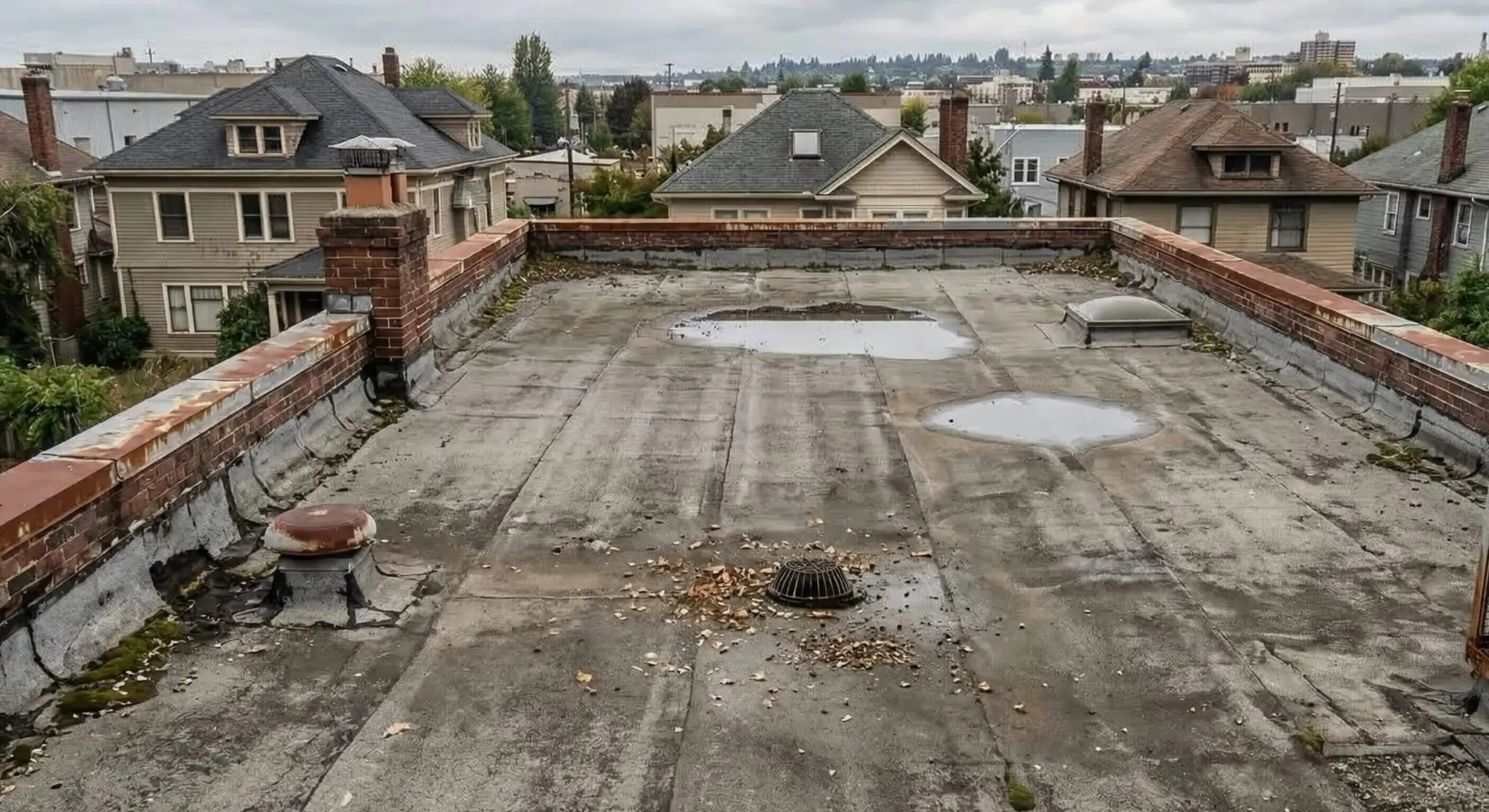
Upslope leaks also show up on low-slope roofs with poor drainage. Water that ponds above a curb finds any tiny weakness in the membrane tie-in. The skylight gets blamed because it is where the water exits, not always where it entered.
Repair Methods for Shingle, Metal, Tile, and Flat Roofs
Once the leak path is clear, the repair has to match the roof. Flashing is not one universal part. It behaves differently under asphalt shingles, standing seam panels, clay tiles, concrete tiles, and flat roofing membranes. A repair that works on one system can make another one worse.
Roof flashing repair choices by roof material
On asphalt shingles, roof flashing repair usually means removing shingles around the skylight, checking the underlayment, replacing damaged step flashing, and rebuilding the head and sill details. The new flashing should layer with the shingles like fish scales, so water always moves over the next piece, not behind it.
Metal roofs need a different hand. Many leaks come from fastener movement, worn washers, poor panel cuts, or flashing that fights thermal expansion. A tight bead of sealant may look neat, but metal expands and contracts enough to break weak repairs over time.
Tile roofs bring their own trouble. Tiles shed water, but the underlayment beneath them protects the house. If a tile skylight leak appears, the repair may require lifting surrounding tiles, checking battens, rebuilding pan flashing, and replacing cracked pieces. Heavy tile also demands care because one careless step can create tomorrow’s leak.
Fixing curb-mounted skylights without trapping water
Curb-mounted skylights sit on a raised box, which gives water a better chance to move around the opening. That design works well when the curb is tall enough and flashing is layered with care. Trouble starts when the curb is too low, wrapped poorly, or buried by roofing material.
A good curb repair often includes removing old roofing around the base, checking the curb for rot, adding fresh membrane, and installing new metal flashing. The sill piece matters most because it handles the water that collects at the bottom. If that area is flat, dented, or sealed shut in the wrong place, water will linger.
Flat and low-slope roofs need special attention here. The skylight curb must rise high enough above the roof surface, and the membrane must turn up the curb without weak corners. A clean repair leaves water with a path away from the skylight, not a pocket where it can sit and wait.
Avoiding Patch Work That Fails After the Next Storm
Many skylight repairs fail because the first response is cosmetic. A bead of caulk, a smear of roof cement, or a fresh coat of black sealant can quiet a leak for one rain. Then summer heat, winter ice, or wind-driven water exposes the same flaw again. The roof was never repaired. It was decorated.
Skylight sealant mistakes that make repairs fail twice
The most common skylight sealant mistakes start with using sealant as the main defense. Sealant should support a proper flashing system, not replace one. When it becomes the repair, it ages, splits, and pulls loose from dusty shingles or sun-baked metal.
Another mistake is sealing the bottom edge in a way that traps water. Some skylight systems need drainage channels to let condensation or minor water entry escape. Closing those paths can turn a small nuisance into a hidden rot problem inside the curb or frame.
Wrong product choice also hurts. General household caulk does not belong on a roof. Even roof-rated sealants need clean surfaces, dry weather, and correct application thickness. A repair done on damp flashing before a storm may look brave, but the roof will not reward the effort.
When old flashing should be replaced instead of patched
Old flashing deserves replacement when it is bent, rusted, cracked, loose, or buried under layers of failed repair material. Patching over bad metal is like painting over a soft floorboard. The weak part stays weak, and water still knows where to go.
Age matters too. A 20-year-old skylight on a 25-year shingle roof may not be worth a surgical patch if the roof is near replacement. In that case, the better decision may be to coordinate skylight work with a roof replacement, especially if the frame has clouded glass, worn gaskets, or brittle plastic.
The National Roofing Contractors Association notes that roofing details should be installed as a system, not as random parts. That idea matters here. A skylight repair should connect underlayment, shingles or panels, flashing, fasteners, and drainage into one working assembly, not a stack of hopeful patches.
Building a Longer-Lasting Repair Plan
A lasting skylight repair is less dramatic than most people expect. It comes from patient inspection, clean removal, correct layering, and weather awareness. The best work often looks simple when finished because the roof no longer has to fight itself during rain.
Planning repair timing around weather and roof age
Dry weather is not a small detail. It gives the roofer time to expose the area, replace wet materials, and seal the system without racing incoming rain. In humid states like Georgia or Louisiana, trapped moisture can linger longer than homeowners expect, so drying time matters before covering the roof back up.
Roof age should shape the repair budget. If the shingles are curling, granules are missing, or the underlayment is brittle, a narrow skylight fix may not hold for long. The skylight could be the first visible failure in a roof system that is already tired.
A practical homeowner asks two questions before approving the repair: will this fix the exact leak path, and will it still make sense if the roof is replaced soon? Those answers can prevent paying twice for work around the same opening.
Preventing the next roof leak around skylight openings
Prevention starts with keeping water moving. Clear debris from above the skylight, check nearby valleys, and watch for leaves that collect behind the curb. A small pile of wet leaves can slow drainage enough to test flashing that was never meant to act like a dam.
Annual inspection helps most after severe weather. Hail, high wind, fallen branches, and freeze-thaw cycles can shift materials around skylights. You do not need to climb the roof each time, but you should look from the ground, check the attic when safe, and scan ceilings after major storms.
Good repair records also help. Keep photos, product details, and contractor notes. If another leak appears years later, those records tell the next roofer what was changed, what materials were used, and where to begin. That small habit can save hours of guesswork.
Conclusion
A skylight leak is not a reason to panic, but it is a reason to stop guessing. Water follows rules, even when the stain on your ceiling looks random. When you trace the path, respect the roof material, and avoid lazy patch work, the repair becomes far less mysterious.
The smartest homeowners treat skylight flashing leak repair as roof system work, not skylight decoration. They ask where the water starts, how it moves, and which layer failed first. That mindset protects the ceiling, the framing, the insulation, and the money already invested in the home.
A bright room should not come with a bucket in the corner. Bring in a qualified roofing contractor, ask for photos of the exposed flashing, and choose a repair that is built for your roof type and local weather. Fix the path water follows, and the skylight can go back to doing its one good job: bringing in the light.
Frequently Asked Questions
How do I know if my skylight flashing is leaking?
Look for stains near skylight corners, peeling paint, damp drywall, musty smells, or water marks that appear after rain. The leak may start above the skylight, so inspect nearby shingles, roof penetrations, and attic framing before blaming the glass or frame.
Can roof flashing repair stop a skylight leak permanently?
Yes, when the repair addresses the real leak path and uses the correct flashing for the roof material. A permanent fix usually requires removing nearby roofing, replacing damaged flashing or underlayment, and rebuilding the water-shedding layers in the right order.
What are the most common skylight leak causes after heavy rain?
Common causes include failed step flashing, cracked sealant, lifted shingles, clogged gutters, weak underlayment, low curb height, and wind-driven rain entering poor side flashing. Heavy rain often reveals problems that were already forming during smaller storms.
Should I use caulk to fix a roof leak around skylight trim?
Caulk may help with minor gaps, but it should not be the main repair. A roof leak around skylight trim often points to flashing or drainage trouble. Sealing the visible edge can hide the issue and trap water inside the roof assembly.
Why does my skylight only leak during wind-driven rain?
Wind can push water sideways under loose shingles, metal laps, or weak flashing edges. A skylight that stays dry in normal rain but leaks during storms often has a side flashing, head flashing, or fastener issue that needs closer inspection.
How much does skylight flashing repair usually cost in the USA?
Costs vary by roof type, access, damage level, and local labor rates. A small flashing repair may cost a few hundred dollars, while tile, metal, or flat roof repairs can cost more because they require specialized materials and careful removal.
Can old skylight sealant mistakes cause roof rot?
Yes, trapped water can rot the curb, roof decking, and nearby framing over time. Bad sealant can block drainage channels or hide active leaks. Once wood softens, the repair may need carpentry work before new flashing can be installed.
Is it better to replace a skylight during roof replacement?
Often, yes. If the skylight is old, cloudy, cracked, or already leaking, replacing it during roof work can save labor and reduce future leak risk. The roofer can install new underlayment and flashing while the surrounding roof is already open.