

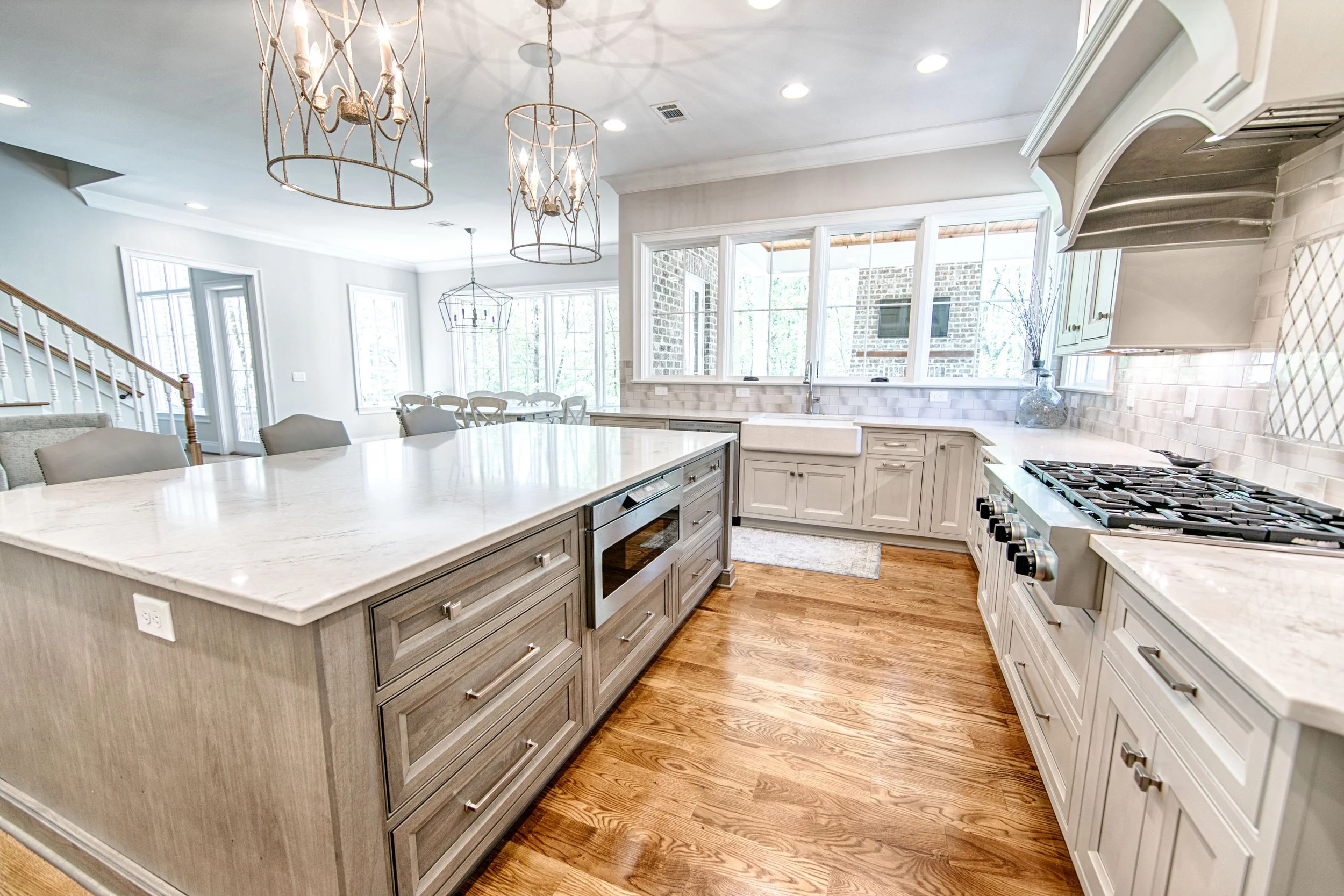
Commercial Quartz Countertops are rapidly becoming the preferred surface solution for offices, hospitality environments, healthcare facilities, and retail spaces that demand durability, hygiene, and long-term visual consistency. As commercial interiors continue to prioritize both performance and aesthetics, quartz stands out as a material that meets strict operational demands while maintaining a refined, modern appearance.
For architects, designers, and facility managers working with brands like Hyundai L&C, quartz surfaces offer a dependable balance of strength, design flexibility, and low maintenance. In this guide, we explore why Commercial Quartz Countertops are shaping the future of commercial interiors and how businesses can use them strategically to improve both function and user experience.
Why Commercial Quartz Countertops Are Leading Modern Design Projects
Commercial environments face far more wear and tear than residential spaces. High foot traffic, constant cleaning cycles, and strict hygiene requirements all place pressure on surface materials. This is where Commercial Quartz Countertops consistently outperform traditional materials like natural stone or laminate.
Quartz is engineered using natural quartz crystals combined with resins and pigments. This manufacturing process creates a non-porous surface that resists staining, bacterial growth, and moisture absorption.
Key advantages in commercial settings include:
- High resistance to scratches and surface damage
- Non-porous structure for improved hygiene control
- Consistent color and pattern for large-scale installations
- Low maintenance requirements compared to natural stone
- Long service life in high-traffic environments
These qualities make quartz especially valuable in industries where both appearance and sanitation standards matter.
Commercial Quartz Countertops and the Role of Material Engineering
One of the defining strengths of Commercial Quartz Countertops is their engineered composition. Unlike natural stone, which varies in structure and porosity, quartz slabs are manufactured to ensure consistency and reliability across every installation.
This level of control is especially important for commercial developers managing multiple locations or large-scale projects.
How engineered quartz improves performance:
- Resin binders increase flexibility and reduce cracking risks
- Pigments allow for uniform design across multiple slabs
- Controlled production ensures predictable performance
- Reinforced structure improves impact resistance
For businesses partnering with material innovators like Hyundai L&C, engineered quartz solutions provide confidence that every surface meets both aesthetic and structural expectations.
Design Flexibility in Commercial Quartz Countertops
Beyond durability, Commercial Quartz Countertops are highly valued for their design versatility. Commercial spaces often require cohesive branding, and surface materials play a major role in creating that identity.
Quartz can replicate the look of marble, granite, concrete, or minimalist solid colors, allowing designers to align surfaces with brand aesthetics without sacrificing performance.
Popular design applications include:
- Reception desks in corporate offices
- Restaurant counters and bar tops
- Hotel bathroom vanities and lobbies
- Retail display surfaces
- Healthcare workstations and nurse stations
Design benefits:
- Wide range of colors and finishes
- Seamless integration into modern interiors
- Ability to match brand identity across multiple locations
- Consistent appearance over time (no natural variation issues)
This design consistency is particularly valuable for franchises and multi-site businesses.
Hygiene and Safety Benefits of Commercial Quartz Countertops
In commercial environments, hygiene is not optional it is a regulatory and operational requirement. One of the most important advantages of Commercial Quartz Countertops is their non-porous surface, which prevents the absorption of liquids, bacteria, and contaminants.
This makes quartz an ideal choice for healthcare, food service, and hospitality industries.
Hygiene advantages include:
- No sealing required, unlike granite or marble
- Resistant to mold, mildew, and bacterial buildup
- Easy cleaning with standard non-abrasive solutions
- Reduced risk of cross-contamination in food prep areas
In healthcare and hospitality settings, these properties contribute to safer environments and easier compliance with health standards.
Cost Efficiency and Long-Term Value of Quartz Surfaces
While initial investment is an important consideration, Commercial Quartz Countertops offer strong long-term value due to their durability and low maintenance requirements. Businesses often find that quartz reduces lifecycle costs compared to other materials.
Cost-related benefits:
- Minimal maintenance expenses over time
- Reduced need for repairs or resurfacing
- Long lifespan under heavy commercial use
- Fewer replacements compared to laminate or softer stone
When evaluating the total cost of ownership, quartz consistently proves to be a financially strategic material for commercial developments.
Installation Considerations for Commercial Quartz Countertops
Proper installation plays a critical role in maximizing the performance of Commercial Quartz Countertops. Commercial projects often involve large-scale layouts that require precision engineering and experienced fabrication teams.
Best practices for installation:
- Accurate site measurement and templating
- Structural support evaluation for heavy slabs
- Professional seam placement for visual continuity
- Proper edge finishing for safety and durability
- Use of certified installers familiar with quartz systems
Working with experienced suppliers and fabricators ensures the material performs as intended in demanding environments.
Sustainability and Environmental Considerations
Modern commercial design increasingly prioritizes sustainability. Many manufacturers, including Hyundai L&C, are focusing on more responsible production methods and material sourcing practices.
Quartz contributes to sustainability goals in several ways:
Environmental benefits:
- Long lifespan reduces replacement waste
- Engineered production reduces material loss
- Low maintenance reduces chemical usage over time
- Potential use of recycled materials in manufacturing
For companies aiming to meet green building standards, quartz can support certifications and sustainability initiatives.
Comparing Commercial Quartz Countertops with Other Materials
To fully understand the value of quartz, it helps to compare it with other common commercial surface materials.
Quartz vs. Granite:
- Quartz: Non-porous, consistent, low maintenance
- Granite: Requires sealing, natural variation, and higher upkeep
Quartz vs. Laminate:
- Quartz: High durability, premium appearance, heat resistance
- Laminate: Lower cost, but prone to damage and wear
Quartz vs. Solid Surface:
- Quartz: Stronger and more heat-resistant
- Solid Surface: More repairable but less durable in heavy use
This comparison highlights why quartz is often selected for high-performance commercial environments.
Industry Applications Driving Demand for Commercial Quartz Countertops
Different industries are adopting quartz at increasing rates due to its versatility and reliability.
Key sectors include:
- Corporate offices: reception and collaboration spaces
- Healthcare: exam rooms, labs, and nurse stations
- Hospitality: hotel lobbies, bars, and bathrooms
- Retail: checkout counters and product displays
- Education: lab surfaces and administrative areas
Each of these environments benefits from quartz’s durability and cleanability.
Future Trends in Commercial Quartz Countertops
As commercial design continues to evolve, quartz is expected to play an even larger role in interior architecture. Emerging trends include:
- Ultra-large slab installations for seamless visuals
- More natural stone-inspired textures
- Increased demand for antimicrobial surfaces
- Integration with smart building design concepts
- Greater customization for brand identity systems
Manufacturers like Hyundai L&C are expected to continue innovating in response to these evolving market demands.
Final Thoughts on Commercial Quartz Countertops
Commercial Quartz Countertops represent a long-term investment in performance, design consistency, and operational efficiency. Their ability to meet the demands of high-traffic environments while maintaining a premium appearance makes them one of the most reliable surface solutions available today.
For architects, developers, and business owners seeking a balance between durability and design flexibility, quartz continues to stand out as a practical and forward-thinking choice. With ongoing innovation from manufacturers such as Hyundai L&C (https://hyundailncusa.com/), the future of commercial surface design is becoming increasingly refined, efficient, and adaptable to modern business needs.