

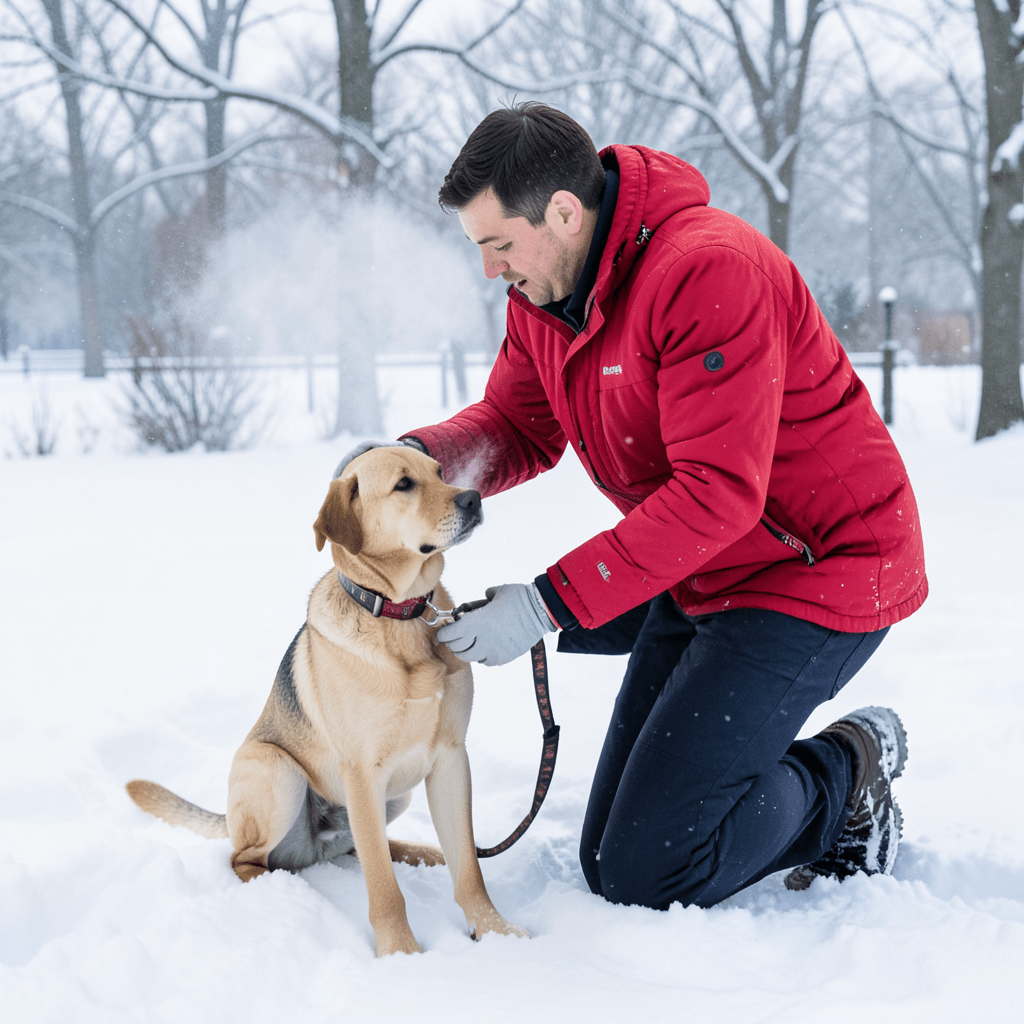
Puppy house training is one of the most important foundations of raising a well-behaved and confident dog. When done correctly, puppy house training builds structure, reduces stress in the home, and helps puppies develop healthy lifelong habits. Whether you are a first-time dog owner or experienced with dogs, mastering puppy house training requires consistency, timing, and a clear understanding of how your puppy learns.
In this guide, we will break down proven methods used by professionals, including practical routines, crate strategies, and common mistakes to avoid. You will also learn when to seek expert support from professionals like Rob’s Dog Training to ensure long-term success.
Why Puppy House Training Matters for Long-Term Behavior
Puppy house training is more than just teaching a dog where to eliminate; it shapes their understanding of structure, boundaries, and communication. Puppies naturally seek patterns, and when owners provide a predictable system, the learning process becomes much faster.
Without proper house training, puppies may develop inconsistent bathroom habits, anxiety-related accidents, or confusion about indoor vs. outdoor behavior. These issues can become long-term habits if not addressed early.
Key benefits of structured puppy house training include:
- Faster learning and fewer indoor accidents
- Reduced stress for both puppy and owner
- Stronger communication between the dog and the handler
- Better adaptability in new environments
- Foundation for advanced obedience training
When owners prioritize consistency early on, puppies are far more likely to become stable, well-adjusted adult dogs.
Understanding Puppy Behavior in House Training
To succeed in puppy house training, it is essential to understand how puppies physically and mentally develop. Puppies have limited bladder control, especially in the early months. As a general rule, a puppy can only hold their bladder for about one hour per month of age.
For example:
- 8-week-old puppy: 1–2 hours max
- 3-month-old puppy: 3–4 hours
- 6-month-old puppy: 5–6 hours
This biological limitation is often misunderstood, leading to frustration and inconsistent expectations.
Key Behavioral Factors
- Routine dependency: Puppies thrive on repetition and predictable schedules
- Immediate reinforcement: Reward timing must happen within seconds
- Environmental cues: Smells and past accidents influence repeat behavior
- Excitement urination: Young puppies may lose control when overly stimulated
Understanding these behaviors helps owners respond correctly instead of punishing accidents, which can actually slow down learning.
Step-by-Step Puppy House Training System
A structured system is the fastest and most reliable way to succeed in puppy house training. Below is a professional approach used by trainers.
1. Establish a Fixed Schedule
Take your puppy outside at consistent times:
- First thing in the morning
- After meals
- After naps
- After play sessions
- Before bedtime
Consistency builds predictable elimination patterns.
2. Choose a Designated Bathroom Area
Always take your puppy to the same outdoor spot. The repeated scent helps reinforce the behavior faster.
3. Use a Clear Verbal Cue
Introduce a simple command such as:
- “Go potty”
- “Do your business”
Use the same phrase every time to build an association.
4. Reward Immediately
Positive reinforcement is critical. The reward should happen within 1–3 seconds of successful elimination.
Rewards can include:
- Treats
- Verbal praise
- Light play session
5. Supervise Indoors Constantly
When not outside, keep your puppy within sight or use a leash indoors. This prevents unnoticed accidents and helps identify behavioral patterns.
Crate Training as a Core House Training Tool
Crate training is one of the most effective tools in puppy house training when used correctly. Dogs naturally avoid soiling their sleeping area, making crates a powerful learning aid.
Benefits of Crate Training
- Encourages bladder and bowel control
- Prevents unsupervised accidents
- Builds calm behavior and routine
- Provides a safe space for rest
Proper Crate Guidelines
- The crate should be large enough to stand, turn, and lie down
- Do not use it for punishment
- Never leave a puppy crated for excessive hours
- Introduce the crate gradually with positive associations
A properly introduced crate becomes a comfort zone, not a confinement area.
Common Puppy House Training Mistakes to Avoid
Even well-intentioned owners can slow progress by making small mistakes. Avoid the following:
1. Punishing Accidents
Punishment after the fact confuses puppies. They cannot connect past behavior with punishment, leading to fear rather than learning.
2. Inconsistent Scheduling
Skipping potty breaks or changing routines delays progress significantly.
3. Not Supervising Indoors
Allowing unsupervised roaming often leads to repeated accidents in hidden areas.
4. Delayed Rewards
If reinforcement is not immediate, the puppy may not connect the behavior with the reward.
5. Using Too Much Freedom Too Early
Freedom should be earned gradually based on reliability.
Troubleshooting Puppy House Training Challenges
Even with proper training, setbacks can occur. Here’s how to address common issues.
Frequent Indoor Accidents
This usually indicates:
- Too much freedom too soon
- Inconsistent schedule
- Medical concerns (in rare cases)
Solution: tighten supervision and shorten intervals between potty breaks.
Puppy Refusing to Go Outside
Possible causes:
- Distractions outdoors
- Fear or unfamiliar environment
- Poor association with the bathroom area
Solution: Reduce distractions and reward calm behavior outdoors.
Nighttime Accidents
Young puppies often cannot hold their bladders overnight.
Solution:
- Limit water intake before bedtime (without restricting hydration overall)
- Add a nighttime potty break
- Use crate training for structure
Building Long-Term Consistency in Puppy House Training
Once your puppy begins to understand the basics, consistency becomes the next priority. Training is not complete after a few successful days; it must be reinforced over weeks and months.
Advanced Consistency Tips
- Keep feeding times consistent daily
- Maintain the same outdoor potty spot
- Gradually increase indoor freedom
- Continue rewarding good behavior intermittently
- Avoid sudden schedule changes
Over time, your puppy will begin initiating signals such as waiting at the door or showing restlessness before needing to go out.
When to Seek Professional Help
Some puppies require additional guidance due to behavioral challenges, inconsistent progress, or owner schedule limitations. In these cases, working with professionals can significantly improve results.
Organizations like Rob’s Dog Training provide structured programs designed to accelerate learning and correct common house training issues using proven behavioral techniques.
Professional support is especially helpful when:
- Accidents persist beyond several weeks
- The puppy shows anxiety-related behaviors
- Owners struggle with consistency
- Multi-dog households create confusion
Expert intervention can help identify root causes and build a tailored training plan.
Final Tips for Successful Puppy House Training
Puppy house training is not about perfection; it is about progress and consistency. Every puppy learns at a different pace, but structured routines dramatically improve outcomes.
Keep these final principles in mind:
- Stay patient and consistent
- Reward correct behavior immediately
- Supervise until habits are fully established
- Use crate training as a supportive tool
- Avoid punishment-based methods
- Adjust routines as your puppy grows
With the right approach, puppy house training becomes a smooth and rewarding process that sets the foundation for a well-behaved adult dog. For owners who need additional guidance or structured support, Rob’s Dog Training offers professional assistance to help reinforce proper habits and address common challenges effectively.