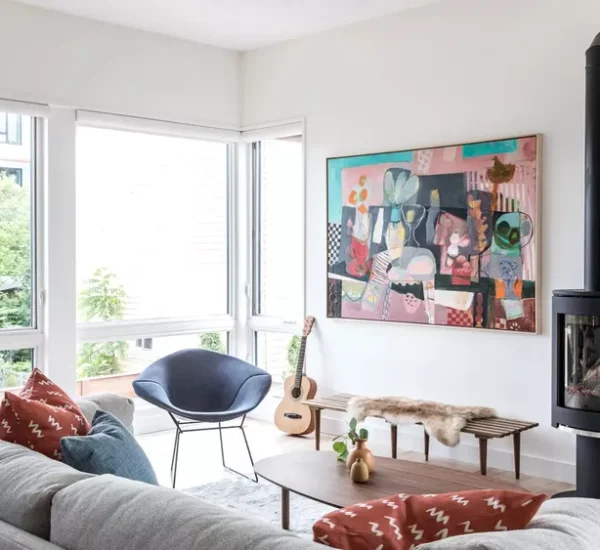

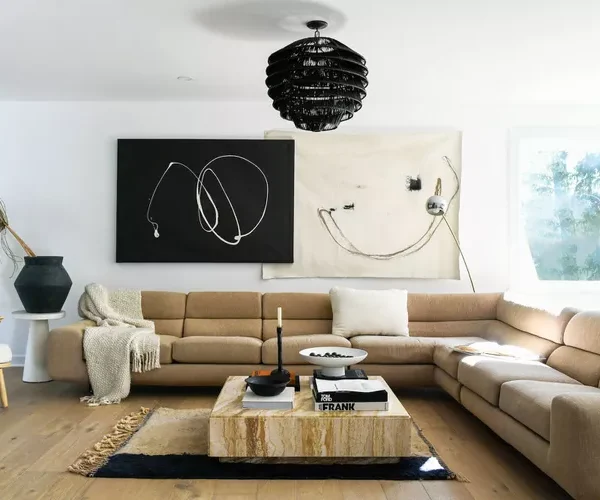
A polished home does not happen because every surface looks expensive. It happens when every chair, lamp, table, wall color, and empty corner seems to understand its role. The best layout decor tips start with restraint, not shopping, because a room loses its grace the moment it begins trying too hard. You can buy a beautiful sofa and still create a space that feels unsettled if the proportions, pathways, and visual weight are fighting each other. A home feels finished when movement feels easy, the eye knows where to land, and every detail supports the life being lived inside it.
This is where smart decorating becomes less about trends and more about judgment. A polished home design carries confidence without shouting, and that quiet confidence is what makes rooms age well. You can study magazines, save inspiration boards, or browse resources from a trusted digital publishing network to sharpen your eye, but the real test begins in your own rooms. The goal is not to copy someone else’s taste. The goal is to build a home that feels composed, personal, and calm the second you walk through the door.
The Foundation of a Polished Home Design
A polished space begins before a single decorative object enters the room. Most people rush toward pillows, art, candles, and side tables, then wonder why the room still feels off. The hidden issue is usually the base: scale, traffic flow, sightlines, and proportion. When those pieces are wrong, even good decor looks nervous. When they are right, simple pieces can look rich.
Start With Movement Before Mood
A room should let you move through it without apology. If you have to sidestep a coffee table, squeeze behind a dining chair, or shift your body around an oversized armchair, the layout is already costing the room its polish. Comfort starts with clear paths, and clear paths make everything else feel more intentional.
A good test is to walk through the room with something in your hands. Carry a tray from the kitchen to the sofa. Bring laundry through a bedroom. Move from the entry to the main seating area without thinking about your feet. The spots where your body hesitates reveal more than a mood board ever could.
This does not mean every room needs wide-open space. Smaller homes can feel graceful when the furniture respects the body. A slim console can replace a bulky cabinet in a hallway. A round dining table can soften a tight corner. A sofa pulled two inches away from the wall can create breathing room that the eye feels before the brain names it.
Let Scale Do the Quiet Work
Scale is the difference between a room that feels collected and one that feels like it was filled in panic. A tiny rug under a large sofa makes the entire seating area look uncertain. A massive coffee table in a narrow room turns every conversation into a negotiation with furniture. Scale does not ask for attention, but it controls the mood anyway.
The simplest rule is to match visual weight before matching style. A heavy sectional needs a rug with enough presence beneath it. Tall ceilings need lighting that does not disappear. A large empty wall needs either one strong piece or a calm arrangement, not a scattering of small frames that look stranded.
Polished home design depends on these quiet balances. You can mix old and new, soft and sharp, plain and ornate, but the room needs a steady relationship between size and space. Once scale feels settled, even modest furniture gains dignity.
Creating an Elegant Room Layout That Feels Lived In
A beautiful room that nobody wants to sit in has missed the point. Elegance should never feel like a warning sign. The strongest spaces invite use while still feeling considered, and that balance comes from arranging the room around real habits instead of imaginary guests. A home earns its beauty when it can handle daily life without losing its shape.
Build Around the Seat People Choose First
Every room has a seat that people naturally choose. It might be the corner of the sofa near the window, the chair closest to the lamp, or the dining spot with the best view into the kitchen. That seat tells you where the room’s comfort already lives. Design around it instead of fighting it.
In a living room, place a table within easy reach of the favorite seat. Give that spot proper light. Make sure the rug and coffee table support the way people actually gather. The room will feel more settled because it follows behavior rather than decoration theory.
This is one of the most overlooked parts of elegant room layout. People often center furniture around a television, fireplace, or wall because those things feel obvious. Yet the room becomes warmer when it centers the human experience first. A layout that respects comfort will always feel more expensive than one arranged only for symmetry.
Use Empty Space as a Design Choice
Empty space scares people. They see a blank corner and feel pressure to fill it with a plant, basket, stool, or floor lamp. Sometimes the corner needs nothing. A room with no pause points feels breathless, and breathless rooms never feel classy.
A blank stretch of wall can make art nearby feel stronger. A clear section of floor can make a rug look deliberate. An uncluttered console can give one sculptural bowl more force than six decorative pieces fighting for attention. Silence matters in design.
Refined home decor is often less about what you add and more about what you refuse. The best rooms know when to stop. That restraint gives the eye room to rest, and rest is one of the reasons high-end spaces feel calm even when they include bold pieces.
Choosing Refined Home Decor Without Making Rooms Feel Staged
Decor should make a room feel more like itself, not like a showroom pretending no one lives there. The trap is buying objects because they look classy on their own. A marble tray, brass lamp, or framed print may be beautiful, but the room decides whether it belongs. Good decor works as part of a conversation, not as a solo performance.
Repeat Materials Without Matching Everything
A room feels polished when certain materials echo across the space. Wood can appear in a table leg, picture frame, and tray. Linen can show up in curtains and cushion covers. Black metal can connect a floor lamp to cabinet hardware. These small repeats create order without making the room feel staged.
Matching every finish, though, flattens the space. A room where every metal is the same tone and every wood matches too closely starts to feel purchased in one afternoon. Real homes gather character through small differences. The art is making those differences speak the same language.
Refined home decor benefits from controlled variety. Pair warm wood with matte ceramic. Let a glass vase soften a heavy table. Place a textured throw over a clean-lined chair. The mix gives the room depth, but the repeated materials keep it from drifting into clutter.
Choose Fewer Objects With More Presence
Small decor multiplies faster than people expect. One candle becomes three. One tray gains a stack of books, a vase, beads, a box, and a framed photo. Before long, the surface looks decorated but not composed. The room may have plenty to look at, yet none of it lands.
Choose fewer pieces and give them space. A single oversized branch in a tall vessel can do more for a sideboard than a row of small accessories. One large artwork can bring more authority than a crowded wall of prints. A lamp with a strong shape can carry a corner without help.
Classy interior style depends on editing. This does not mean cold or bare. It means each object earns its place through shape, texture, memory, or function. When a piece has no job and no emotional pull, it becomes noise. And noise is what makes a room feel unfinished.
Bringing Classy Interior Style Into Daily Habits
The final layer of a polished home is not a purchase. It is maintenance, rhythm, and the way the space supports ordinary days. A room may look excellent after a refresh, but the truth arrives two weeks later, when mail piles up, blankets move, shoes gather near the door, and the dining table becomes a landing zone. Design that cannot survive real life is decoration with a short fuse.
Create Homes for the Mess You Already Have
Every household has repeat mess. The polished ones do not pretend otherwise. They give that mess a place to go. If keys always land on the entry table, add a small dish. If blankets end up on the sofa, use a basket that fits the room. If chargers spread across a nightstand, hide a charging station inside a drawer.
This is where design becomes honest. You do not need to become a different person to have a better home. You need systems that respect how you already move. A beautiful room that demands constant correction will wear you down.
Classy interior style works best when storage blends into the room. Closed cabinets calm visual clutter. Lidded boxes hide small items. A bench with storage can clean up an entry without shouting for attention. These choices keep the room useful while preserving its composure.
Let Lighting Finish What Furniture Started
Lighting is where many decent rooms fall short. A single ceiling fixture can make even good furniture look harsh. Layered lighting gives the room shape after sunset, and evening is often when a home reveals whether it feels polished or flat.
Use at least two light sources in spaces where people linger. A floor lamp near a chair, a table lamp beside a sofa, or a small lamp on a console can change the room’s entire mood. Warm bulbs usually flatter interiors better than cold ones, especially in rooms with wood, textiles, and soft finishes.
The unexpected truth is that lighting can make inexpensive decor look better than expensive decor under poor light. Shadows add depth. Soft pools of light create intimacy. A room with thoughtful lighting feels cared for, and that feeling carries more weight than any single object inside it.
Conclusion
A polished home is built through decisions that respect space, comfort, and restraint. The strongest rooms do not beg to be admired; they make daily life feel smoother, calmer, and more intentional. That is why the smartest layout decor tips are not about chasing a perfect look. They are about noticing what feels awkward, what feels heavy, what feels forgotten, and then correcting those details with patience.
Start with one room and study it honestly. Walk through it. Sit where you usually sit. Look at the surfaces that collect clutter and the corners that feel unfinished. Move one piece before buying another. Edit one shelf before adding new decor. A home gains polish through attention, not excess.
Your next step is simple: choose the room you use most, remove what weakens it, and give every remaining piece a clear reason to stay. A classy home is not the one with the most beautiful things; it is the one where nothing feels accidental.
Frequently Asked Questions
What are the best classy decor ideas for a polished home?
Start with scale, clear pathways, layered lighting, and fewer decorative objects with stronger presence. A polished home depends more on restraint than cost. Choose pieces that support how you live, then edit anything that adds visual noise without purpose.
How do I create an elegant room layout in a small space?
Use furniture that fits the room’s movement patterns instead of forcing large pieces into tight areas. Round tables, slim consoles, wall-mounted lighting, and raised-leg furniture can make a small room feel lighter while keeping it comfortable and stylish.
What makes polished home design feel expensive?
Balanced scale, calm surfaces, good lighting, and thoughtful material repetition create an expensive feeling. The room should look intentional without looking stiff. Expensive-looking spaces often have fewer items, better spacing, and a stronger sense of visual order.
How can refined home decor work with family life?
Choose storage that hides daily clutter, durable fabrics that still look good, and surfaces that are easy to reset. A family home can feel refined when the design accepts real habits instead of pretending mess never happens.
What colors work best for classy interior style?
Soft neutrals, warm whites, muted greens, deep blues, taupe, charcoal, and natural wood tones work well. The key is not choosing bland colors. The key is building a palette that feels calm, connected, and easy to layer.
How do I decorate without making my home look staged?
Use personal pieces, varied textures, and objects with real meaning. Avoid filling every surface with decorative items from the same store. A lived-in home feels better when it includes a few imperfect, personal details alongside cleaner design choices.
What is the easiest way to improve a room layout?
Remove one oversized or unnecessary piece first. Many rooms improve when they gain breathing room. After that, adjust the rug, seating distance, and lighting so the room supports conversation, movement, and comfort without feeling crowded.
How often should I update classy home decor?
Update when a room stops supporting your daily life, not every time a trend changes. Small seasonal edits can refresh the space, but the core layout, lighting, and main furniture should stay steady enough to feel timeless.