A messy front closet can make a calm house feel irritated before anyone even takes off their shoes. A smart coat closet conversion turns that cramped little catchall into a working landing spot for backpacks, jackets, mail, dog leashes, keys, shoes, and the daily clutter that loves to pile up near the door.
Most American homes were not built for how families enter them now. Kids come in with sports gear, adults carry work bags, online orders land at the door, and winter coats need space beside reusable grocery totes. A plain rod and shelf cannot keep up with that rhythm. The closet becomes a stuffed cave, then the floor becomes backup storage.
That is where better home organization planning starts to pay off. The goal is not to make the entry look like a magazine spread. The goal is to create a small system that catches real life before it spills into the living room. When the first five feet of your home work harder, the rest of the house feels lighter.
Why a Coat Closet Conversion Solves the Entryway Problem
The front closet often fails because it was designed for guests, not daily life. A single hanging rod assumes the biggest problem is where to put coats. In many homes, coats are only one piece of the mess. Shoes, hats, umbrellas, lunch bags, mail, and pet supplies all compete for the same dark corner.
A good conversion starts by admitting what actually happens at your door. If your family uses the garage entrance, the front closet may need to serve guests and overflow. If your main door opens into a small foyer, the closet has to work like a compact mudroom. That honest read matters more than any pretty basket you buy.
Reading the Mess Before Buying Anything
The clutter already tells you what the closet needs to become. Shoes on the floor mean the lower zone has failed. Bags hanging from doorknobs mean hooks are missing or placed too high. Mail on the console means the entry needs a paper drop, not another decorative tray.
Spend a few normal days watching the pattern before removing shelves. A family in Ohio may need winter gear bins for half the year, while a home in Arizona may need more space for backpacks, sun hats, and reusable bags. The best entryway storage ideas come from the habits you already have, not from forcing new ones on tired people at 6 p.m.
This step feels boring, but it saves money. Many homeowners buy a full closet organization system before knowing the exact pressure points. Then the same clutter returns because the new setup looks better but behaves the same.
Turning Dead Closet Space Into Daily Function
Most coat closets waste space above, below, and behind the hanging clothes. The top shelf becomes a pile of mystery items. The floor becomes a shoe swamp. The back wall sits unused even though it can hold hooks, rails, pockets, or a slim organizer.
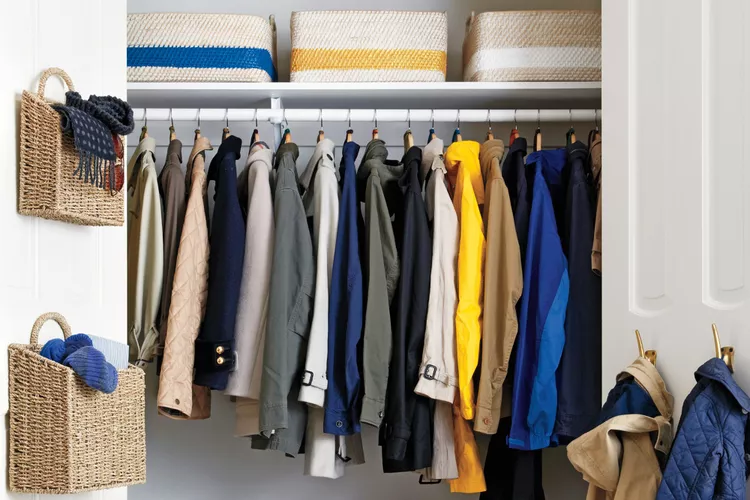
A mudroom closet works because it treats every inch as a job site. The top zone can store seasonal gear in labeled bins. The middle zone can hold jackets and bags on hooks. The lower zone can handle shoes, boots, and sports items. The door can carry small pieces that vanish fast, such as gloves, sunglasses, lint rollers, and dog bags.
The counterintuitive part is that less hanging space often creates more order. Full-length rods invite crowding. Hooks keep daily items visible, fast, and easy for kids to manage without help. A closet that serves the next 24 hours will beat a closet that stores every coat you own.
Planning the Interior Like a Small Room, Not a Closet
A closet becomes useful when you stop treating it like hidden storage and start treating it like a tiny room with zones. The width, depth, door swing, wall material, and lighting all shape what belongs inside. Even a narrow closet can do serious work when each surface has a clear role.
This is where measurement matters. A standard front closet may be only 24 inches deep, which sounds limiting until you stop forcing bulky furniture into it. Slim shelves, staggered hooks, shallow bins, and vertical rails can turn that small pocket into a working drop area without stealing space from the hallway.
Choosing Hooks, Cubbies, and Shelves That Match Real Behavior
Hooks beat hangers for daily jackets, school bags, and purses because they remove steps. Nobody wants to slide a coat onto a hanger when their hands are full. A hook asks for one motion, which means people may use it even when they are tired.
Cubbies help when each person needs a clear landing spot. In a family home, one cubby per person can hold hats, gloves, sunglasses, or small school items. For a couple in a condo, fewer cubbies and more shelf space may make sense because bags and shoes are the bigger issue.
A closet organization system should match the people using it. Younger kids need low hooks. Adults need a place for keys and mail that does not sit on the floor. A household with pets may need one small zone for leashes, wipes, and treats. Design follows behavior, not the other way around.
Making the Door and Side Walls Earn Their Keep
The inside of the door can carry more than people expect. A shallow pocket organizer can hold gloves, sunscreen, umbrellas, or charging cords. A slim rail can hold scarves or hats. A magnetic board can catch reminders for school forms, return packages, and appointment cards.
Side walls deserve attention too. Many closets have a few inches on each side that go unused because the rod runs straight across the back. Short side hooks can hold tote bags, caps, or pet gear without blocking the center. In a tight entry, that small shift can remove three or four loose items from the floor.
The surprising lesson is that the closet door may be the most useful “wall” in the entry. It moves, hides clutter, and sits at eye level when opened. Use it well, and the closet starts behaving like a family command center without needing a separate desk or hallway station.
Designing an Organized Drop Zone That Still Looks Good
A useful closet should not feel like a hardware aisle. Function leads, but appearance still matters because the entry sets the mood for the house. When the doors open, you should see order, not a punishment system made of plastic bins and scolding labels.
A strong coat closet conversion balances storage with warmth. Painted backing, wood shelves, matching hooks, woven bins, or a small bench surface can make the space feel intentional. The trick is choosing finishes that can take abuse. Entry zones deal with wet boots, dirty cleats, damp jackets, and rushed mornings.
Using Materials That Can Handle American Weather
Weather changes the job of an entry closet. Snowy states need boot trays, moisture-resistant flooring, and bins that can handle gloves and scarves. Rainy areas need hooks that allow jackets to dry. Warmer regions may need storage for sandals, caps, bike helmets, and pool bags.
Paint choice matters more than people think. A satin or semi-gloss finish on the back wall wipes cleaner than flat paint. Wood shelves should be sealed if wet gear might touch them. Metal hooks with solid anchors will hold up better than lightweight adhesive hooks, especially when heavy backpacks enter the routine.
Entryway storage ideas often look neat online because nothing in the photo is damp, muddy, or late for soccer practice. Real homes need forgiving materials. The better the finish handles mess, the less you will resent the space after the first hard week.
Keeping the Look Calm Without Hiding the System
A closet can be organized without becoming over-labeled. Too many labels, bins, and matching containers can create visual noise. The eye needs breathing room. Use labels where they solve confusion, not where they decorate the system.
Closed bins work well for seasonal items and small loose gear. Open baskets work better for items used every day. A mudroom closet should never make a person open three lids to put away one hat. That kind of system looks tidy on Sunday and fails by Tuesday.
The quiet win is using repetition. Matching hooks, consistent bin sizes, and one simple color family make the space feel calm even when it holds busy items. The closet does not need to be fancy. It needs to look cared for enough that people respect it.
Building Habits That Keep the Drop Zone Working
The best design still needs a reset rhythm. No closet can stay useful if every item that enters the house gets a permanent home there. Drop zones are meant for motion. They catch daily items, hold short-term gear, and move the rest along before the space chokes.
This is the part homeowners skip because installation feels like the finish line. It is not. The real test comes three weeks later, when school papers multiply, coats pile up, and someone dumps a return package on the floor. The system has to be easy enough to survive ordinary neglect.
Creating a Weekly Reset That Takes Minutes
A weekly reset keeps the closet from turning back into a packed storage hole. Pick one day when entry clutter already gets noticed, such as Sunday evening or trash night. Remove items that do not belong, return extra shoes to bedrooms, clear old mail, and empty any overfilled bins.
The reset should take less than ten minutes. If it takes longer, the system is too complicated or the closet is holding too much. That is useful feedback, not failure. A good closet organization system reveals problems fast because every item has a visible place.
One practical rule works well in busy homes: the entry holds what you use this week. Off-season coats, extra shoes, holiday gear, and rarely used bags belong somewhere else. The entry is prime real estate. Treat it that way.
Teaching the System Without Turning Into the Closet Police
People follow systems that respect their energy. A child can hang a backpack on a low hook, but may ignore a high hanger. A spouse can drop keys in a tray, but may not sort mail into five folders. The design should make the right action easier than the wrong one.
Small cues help. Put the most-used hook at the easiest reach. Keep the shoe tray where shoes naturally land. Place outgoing items at eye level near the door. A family command center works best when it quietly guides movement instead of asking everyone to remember a new rule.
The unexpected truth is that the closet does not need perfect users. It needs forgiving design. When the system can handle a rushed morning and a tired night, the house gains order without a daily argument.
Conclusion
A front closet can stay a forgotten storage pocket, or it can become one of the hardest-working spaces in the house. The difference is not square footage. The difference is whether the design matches the way people actually come and go.
A strong coat closet conversion gives each daily item a clear landing place, cuts hallway clutter, and makes the first step into your home feel less tense. It also protects the rooms beyond the entry from becoming backup storage for shoes, bags, and paper piles. That matters more than most people admit.
Start with the mess you see every day. Measure the closet, remove what does not belong, and build simple zones for hooks, shoes, bags, small gear, and outgoing items. Keep the materials tough and the habits light. Your entry should not demand perfection from anyone.
Make the closet serve your life first, then make it look good. That order is where lasting organization begins.
Frequently Asked Questions
How do I convert an entryway coat closet into a drop zone?
Remove rarely used items first, then divide the closet into zones for hooks, shoes, bags, small gear, and outgoing items. Add low hooks for kids, shelves for bins, and a tray for shoes. Keep daily items easy to reach.
What should I put in an organized entryway drop zone?
Store items that leave and enter the house often, such as jackets, shoes, backpacks, keys, mail, umbrellas, dog leashes, and reusable bags. Seasonal overflow should go elsewhere so the drop zone stays open and useful.
Is a mudroom closet better than a regular coat closet?
A mudroom closet works better for daily family traffic because it handles more than coats. It can store shoes, bags, sports gear, pet supplies, and papers. A regular coat closet often has a rod and shelf, which limits function.
What is the best closet organization system for a small entryway?
The best system uses hooks, slim shelves, labeled bins, and shoe storage without crowding the walkway. Avoid bulky built-ins in tight spaces. A small closet works better when vertical space and the inside of the door are used well.
How can I make an entryway closet look less cluttered?
Use matching hooks, simple bins, and one calm color palette. Keep daily items visible but contained. Move off-season coats and rarely used shoes to another storage area so the closet does not look packed every time it opens.
Should I remove the closet door for a drop zone?
Remove the door only if you can keep the space neat and the hallway has enough clearance. Keeping the door hides visual clutter and works better for many homes. A pocket door or bifold door can be a smart middle option.
How much does an entryway closet conversion cost?
Costs vary based on materials and labor. A basic DIY update with hooks, shelves, bins, and paint can stay affordable. Custom built-ins cost more but may add better durability, storage, and a more finished look for high-use homes.
How do I keep a drop zone organized long term?
Use a weekly reset and limit the closet to items needed that week. Put hooks and bins where people naturally drop things. If the system takes too much effort, simplify it until the right action feels easy.