
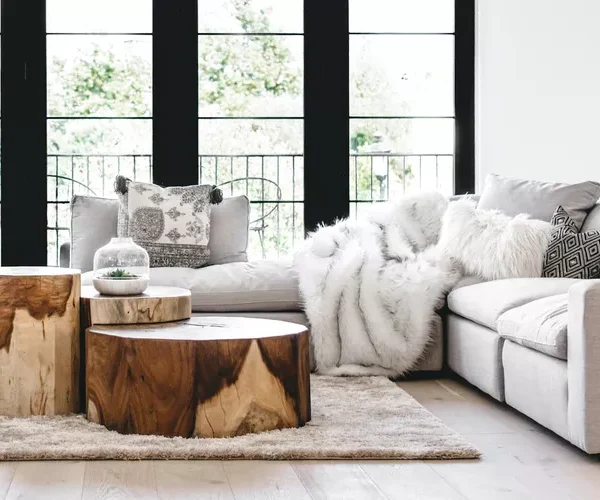
A polished home does not come from expensive furniture or a crowded mood board. It comes from restraint, proportion, and the quiet confidence of rooms that know what they are doing.
Most people chase style when what they need is order. That is why elegant home design starts long before you pick a sofa, a rug, or a paint color. It begins with how a room holds your attention, where your eye lands first, and whether the space lets you move without friction. A classy layout feels calm because nothing is fighting for power.
The hardest part is that many homes look almost right. The pieces are attractive. The finishes are respectable. Yet the layout still feels tense, off-center, or oddly forgettable. That gap matters. When you understand layout at a deeper level, your rooms stop looking decorated and start feeling composed.
If you want a sharper sense of how polished interiors gain authority without noise, this design publishing resource is a useful place to study the difference between trend-chasing rooms and spaces with lasting presence. The point is not to copy one look. The point is to learn why some rooms settle your mind the second you walk in.
Start With the Bones, Not the Accessories
A classy room earns its beauty from structure first. Before you think about lamps, throws, or sculptural side tables, you need to understand the room’s natural logic. Doors, windows, ceiling height, and traffic paths already tell you where the layout wants to go. Ignore that, and the room will resist every styling choice you make.
This is where many homes lose their edge. People decorate against the room instead of with it. They block the clearest walkway, force a focal point where none belongs, or shove every large piece against the wall in the name of openness. The result feels stiff, not generous.
Let architecture make the first decision
A room with strong lines does not need you to invent drama. It needs you to notice what is already there. A fireplace, a pair of tall windows, a centered cove ceiling, or even a clean sightline into the next room can become the anchor that shapes everything else.
Take a long rectangular living room with one wall of windows and an off-center fireplace. Many people center the sofa on the fireplace and end up strangling the window side of the room. The sharper move is to center the main seating on the stronger visual axis, then let the fireplace work as a supporting feature. That single shift often creates a refined room flow that feels natural instead of arranged by force.
You see the difference right away. One room looks like it was pushed into place over a weekend. The other feels inevitable. That sense of inevitability is what people often call taste, though it is usually good spatial judgment in disguise.
Edit the layout before you decorate it
A classy interior has less noise than you expect. Not less thought. Less noise. That means the first edit should happen at layout level, not styling level. Remove one chair that pinches the path to the hallway. Pull the console away if it turns the entry into a narrow channel. Drop the extra side table if it breaks the line of the seating group.
Small edits can do more than large purchases. I have seen modest homes look stronger than grand ones because someone understood scale and left enough breathing room. A packed room looks insecure. An edited room looks sure of itself.
This is also where a luxury interior layout starts to separate itself from a merely expensive room. Cost cannot save bad spacing. A room earns grace when each piece has a clear job and enough space to do it well. Once the bones feel right, decoration becomes easier and lighter.
That structural clarity sets up the next layer: proportion. Once the room stops fighting itself, you can begin shaping how it feels.
How Elegant Home Design Begins With Calm Proportion
Proportion is the quiet law behind every memorable room. You may not name it when you walk in, but you feel it at once. The coffee table is the right size for the sofa. The art has enough width to hold the wall. The dining light does not shout over the table beneath it. Nothing looks undersized, swollen, or stranded.
When proportion is wrong, even beautiful pieces lose their dignity. A tiny rug under generous furniture makes the room look timid. An oversized sectional in a modest space makes the room feel cornered. Classiness is not about going large. It is about choosing sizes that speak the same language.
Build around one piece with authority
Every polished room needs one item with enough presence to set the scale. In a living room, that might be the sofa. In a bedroom, it is often the bed and headboard. In a dining room, it is usually the table. Once that main piece is right, the rest of the room can answer it.
This is why people struggle when they buy small, safe furniture first and hope accessories will lift the room later. They end up with delicate pieces floating in a room that needs weight. A stronger anchor gives the space a center of gravity. Then the side chairs, lamps, bench, and art can fall into a convincing hierarchy.
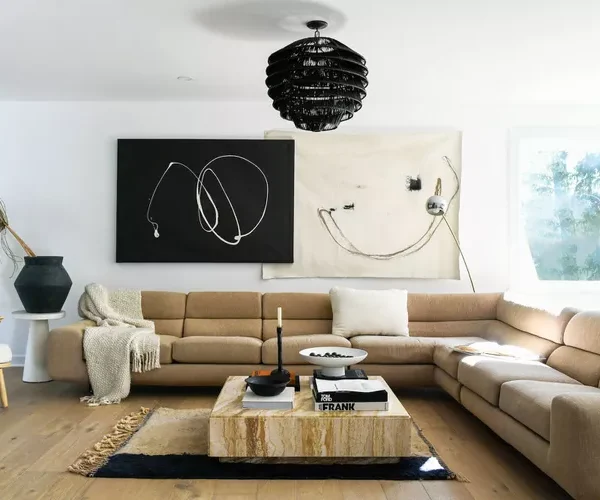
The smartest layouts avoid perfect matching. Not every piece should hit the same visual volume. That flattens the room. A better mix creates quiet tension: a substantial sofa, lighter armchairs, a low table, a taller floor lamp, and art that pulls the eye upward. Those shifts in weight create graceful living spaces because the room feels composed rather than uniform.
Use negative space as part of the design
Empty space is not a failure to decorate. It is part of the decoration. Rooms that feel rich often hold back more than people expect. They leave wall sections unfilled. They allow floor area to stay open. They let one sculptural object carry a corner instead of stuffing it with filler.
Think about a bedroom with a tall upholstered bed, one bench, and two proper nightstands. Add one beautiful lamp shape on each side, one strong artwork above the headboard, and keep the far wall quiet. That room will often feel more expensive than another bedroom filled with layered pillows, a crowded dresser top, extra stools, and wall decor in every direction. The restraint lets the eye rest.
Negative space also strengthens timeless design details because it gives them room to matter. A carved wood edge, a linen shade, a marble top, or a bronze pull has more impact when it is not buried in clutter. Good design does not beg for attention. It earns it.
Once proportion is under control, the room gains dignity. The next step is to make that dignity feel warm instead of distant.
Shape Mood Through Light, Texture, and Material Rhythm
A classy layout can still fall flat if the room feels cold. This is where mood enters the picture. Light, texture, and finish choices are what turn a well-planned room into one you want to stay in after sunset. Without them, the space may look correct but still feel emotionally vacant.
Many interiors fail here because they rely on one bright overhead light and a stack of unrelated materials. That creates glare instead of atmosphere. Elegant rooms rarely depend on a single source or a single mood. They build layers and let the room shift throughout the day.
Layer lighting like a host, not a contractor
Good lighting cares about how people live in the room. It thinks about reading, conversation, late-night quiet, and the first hour of the morning. A ceiling fixture alone cannot do all of that. You need light at different heights and with different purposes.
A living room feels sharper with at least three levels of illumination: ambient light from above, task light near seating, and softer accent light that gives the room depth. A table lamp on a console can soften a long wall. A floor lamp near a chair can make one corner feel inhabited. Wall sconces can frame a fireplace or art without flooding the room. The best part is that layered light fixes more than darkness. It shapes hierarchy.
This is where refined room flow shows up again in a new way. Light can guide movement as surely as furniture can. A softly lit passage to a dining area feels like an invitation. A lamp placed near a reading chair tells you that corner has purpose. Rooms begin to signal how they want to be used, and that makes them feel settled.
Choose materials that age with dignity
A classy home does not need perfect materials. It needs honest ones. Wood with visible grain, linen with a dry hand, stone with movement, plaster with softness, and metal that gains character over time all bring a room closer to depth than shine ever will.
You can see this in homes that still look good years later. They do not depend on whatever finish happened to be fashionable for one season. They rely on a smaller circle of materials that keep their authority with age. That does not mean everything must be traditional. Clean-lined modern rooms can feel warm and grounded when the material palette has weight and patience.
For extra discipline, think in families rather than random samples. Maybe your room carries oak, linen, leather, and antique brass. Maybe it carries walnut, wool, matte stone, and smoked glass. Either path can support a luxury interior layout because the room feels intentional rather than pieced together in separate shopping trips.
If you want a useful benchmark for how architects think about material integrity and spatial experience, the American Institute of Architects offers a strong lens on why thoughtful design lasts. Trends come and go. Good material judgment stays persuasive.
Now the room has form and mood. What makes it unforgettable is the last layer: how you finish it without ruining the restraint that got you this far.
Finish the Room With Restraint, Personality, and Daily Ease
The final stage is where many good layouts fall apart. Someone gets nervous that the room looks too plain, so they start adding. More pillows. More decor. More side pieces. More visual chatter. The room loses its confidence in a single weekend.
A classy layout needs finishing, but it does not need panic. The aim is to let personality sharpen the room, not drown it. That is a different mindset. You are not filling blanks. You are choosing what deserves attention.
Add objects that reveal taste, not shopping stamina
The best styled rooms feel edited by memory, not by impulse. They hold a few things with meaning or strong form: a ceramic bowl with shape, a stack of books you return to, a framed sketch, an old brass box, a branch clipped from the garden, a textile with quiet pattern. These objects carry far more presence than mass-produced filler spread across every surface.
One reason graceful living spaces feel hard to achieve is that people confuse polish with abundance. They think a finished room must display constant evidence of effort. It does not. Some of the most persuasive rooms have long stretches of calm, then one moment of character that changes the entire mood.
This is where personal history matters. A black-and-white family photo can steady a glossy room. A worn stool can loosen a formal entry. An old cabinet in a clean new build can stop the space from feeling anonymous. Personality works best when it arrives as contrast, not decoration on autopilot.
Make the room easy to live in every day
A room cannot feel classy if daily life turns it into a nuisance. Beauty that collapses under ordinary use has no staying power. Your layout should support how you move, sit, host, read, charge a device, set down a drink, and put things away without constant adjustment.
That means practical choices are part of style, not enemies of it. A side table should actually reach the chair. A bench in the entry should help with shoes. A dining room should let someone pass behind a seated guest without apology. A bedroom should leave enough clearance to make the bed without contortion. These details sound small until you live with the opposite.
The rooms people admire most often carry this hidden competence. They look calm because they are calm to use. That is why timeless design details matter more than flashy gestures. A well-placed drawer, a proper dimmer, a deeper nightstand, or a rug size that keeps chair legs stable will do more for daily elegance than another decorative object ever will.
And that lands the bigger truth. A classy layout is not a visual stunt. It is a room that respects your eye and your routine at the same time.
A polished home does not ask you to notice every choice. It lets you feel the result. When your furniture sits in the right conversation, your lighting softens rather than flattens, and your materials hold their nerve, the entire house begins to read as one coherent point of view.
That is the lasting power of elegant home design. It is not about making your rooms formal, fragile, or untouchable. It is about building spaces with poise, comfort, and enough discipline to resist cluttered thinking. The homes that stay with people are rarely the loudest. They are the ones with rhythm, patience, and a clear sense of what belongs.
Start with one room. Measure it honestly. Remove what interrupts the path. Strengthen the anchor piece. Fix the lighting. Edit the surfaces. Then live with those changes long enough to feel what shifted. That is how classy interiors are built in real life: one smart decision at a time, one room at a time, until the whole home begins to carry itself with ease.
The next step is simple: stop shopping for more things and start arranging your rooms like they deserve intention.
Frequently Asked Questions
What are the best classy layout ideas for a small living room?
Start by choosing one clear focal point and building the seating around it. Keep walkways open, use a rug that is large enough for the furniture group, and cut any extra pieces that make the room feel crowded. Small rooms gain polish from discipline, not from squeezing in more.
How do I make my home look elegant without buying expensive furniture?
Focus on spacing, scale, lighting, and editing first. A well-placed sofa, a proper rug size, warm layered light, and surfaces free from clutter will improve a room faster than a costly shopping trip. Good arrangement can make ordinary furniture look far stronger.
How can I create a luxury interior layout in an average-sized home?
Use fewer pieces with clearer purpose, then give them enough breathing room. Choose one anchor item per room, repeat a small material palette, and let empty space work for you. A room feels elevated when it looks settled, not packed.
What furniture placement creates refined room flow?
Place furniture so movement feels obvious and unforced. Leave direct paths between doors, avoid blocking natural sightlines, and keep tables within reach of seats without pinching circulation. When the room guides you without friction, the flow feels right.
Which timeless design details make a room look more expensive?
Look for strong trim proportions, layered lighting, natural materials, tailored upholstery, and hardware with character. Details that age well beat trendy finishes every time. Lasting rooms usually rely on quiet craft rather than decorative noise.
How do I design graceful living spaces that still feel comfortable?
Balance beauty with use. Give people a place to sit, set down a drink, and move without obstacle. Soft textiles, warm light, and practical furniture spacing keep a room welcoming while preserving a polished mood.
Should every room in the house follow the same layout style?
No. The rooms should feel related, but they do not need to be identical. A home feels stronger when each space respects its own shape and purpose while sharing a common sense of proportion, materials, and visual calm.
What is the biggest mistake people make with elegant home layouts?
They add too much after the room is already working. Extra chairs, small decor, undersized rugs, and random accent pieces weaken the structure that made the room feel good in the first place. The sharper move is usually to edit, not add.