
A well-designed home reflects the personality, values, and lifestyle of the people who live in it. In Pakistani homes, Islamic décor holds a special place because it combines spiritual significance with artistic beauty. From elegant Arabic calligraphy to contemporary acrylic frames, homeowners now have more ways to incorporate faith into interiors without compromising on modern design. Choosing modern Islamic wall art allows families to create spaces that feel meaningful, welcoming, and visually balanced.
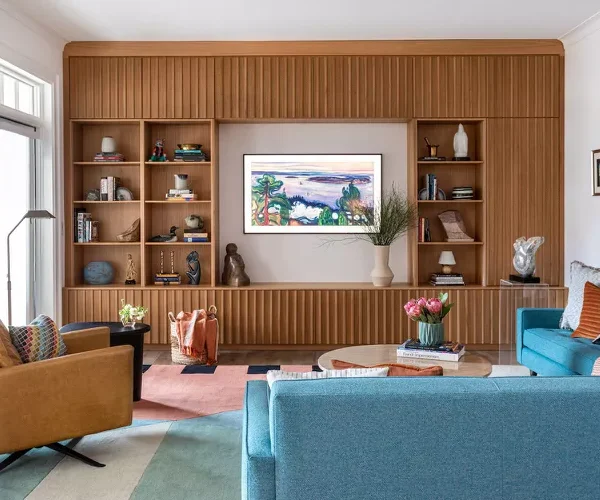
Whether decorating a drawing room in Lahore, a contemporary apartment in Karachi, or a family home in Islamabad, the right wall décor can complement different interior styles. Neutral walls, wooden furniture, marble finishes, and carefully selected lighting provide an ideal backdrop for Islamic artwork. The key is to choose designs that suit the room’s proportions, colour palette, and overall atmosphere.
Modern Islamic décor also offers flexibility. Some homeowners prefer minimalist calligraphy that blends into contemporary interiors, while others choose detailed Quranic artwork or statement pieces that become the main feature of a room. Pakistani brands such as Razzi Designs offer a variety of Islamic calligraphy and wall décor options for different spaces and preferences.
With thoughtful selection and placement, Islamic artwork can add character to a home while keeping its spiritual meaning at the centre of the design.
1. Choose Minimalist Arabic Calligraphy for Contemporary Interiors
Minimalist calligraphy works particularly well in modern Pakistani homes where clean lines, uncluttered furniture, and simple colour schemes define the interior. Rather than filling an entire wall with decorative elements, a single calligraphy piece can create a refined focal point.
Black, gold, silver, and white finishes complement popular interior palettes, including white walls, grey sofas, wooden furniture, and marble surfaces. A carefully selected design can add visual interest without making the room feel crowded.
For a balanced appearance, homeowners can consider the following ideas.
- Choose a simple Bismillah design for an entrance or hallway.
- Place elegant Arabic calligraphy above a console table.
- Match the artwork’s finish with existing lighting or furniture accents.
- Leave sufficient empty wall space around the piece.
Minimalist modern islamic wall art suits homeowners who want spiritual décor that feels contemporary rather than overly ornate.
2. Make the Drawing Room a Focal Point with Statement Artwork
The drawing room is often one of the most visible spaces in a Pakistani home. It welcomes guests and provides an opportunity to showcase personal taste through furniture, lighting, and wall décor. A larger Islamic artwork can create a focal point without requiring several additional decorations.
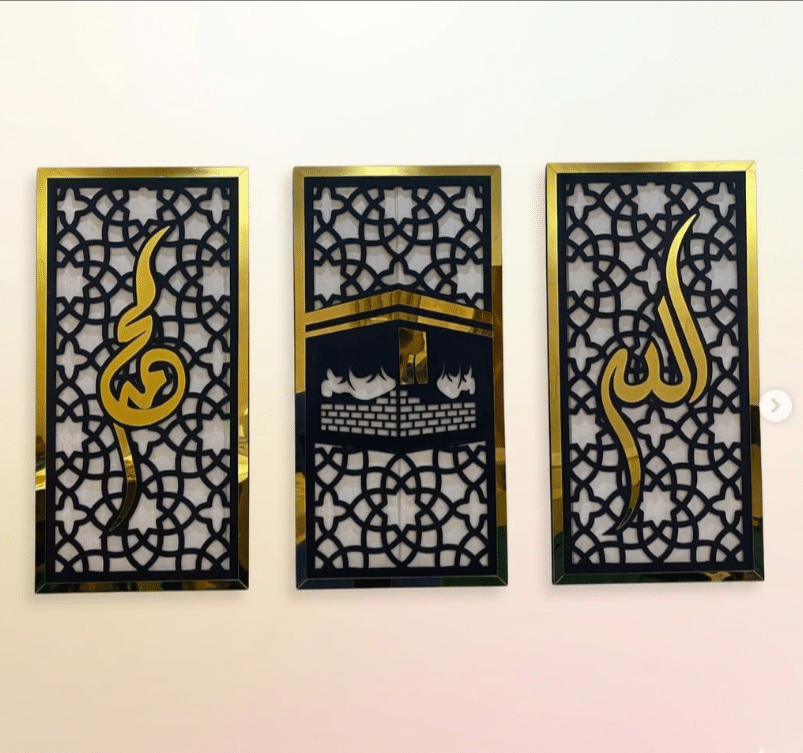
Ayat-ul-Kursi, Allah and Muhammad calligraphy, and other meaningful Islamic designs can work well above a sofa or along a prominent feature wall. The artwork should be proportionate to the available space. A small frame may look lost on a wide wall, while an oversized design can overwhelm a compact room.
Before choosing a piece, consider the height of the ceiling, the width of the furniture beneath it, and the amount of natural light the room receives. Gold or silver acrylic finishes can complement modern interiors, while darker designs may stand out against lighter walls.
Homeowners exploring different styles can browse the Islamic wall art collection from Razzi Designs to compare calligraphy designs and finishes that suit their drawing room.
3. Use Quranic Verses to Create a Meaningful Prayer Space
A dedicated prayer area can bring a sense of calm and purpose to a home. Even when a separate prayer room is not available, a quiet corner can become a comfortable place for salah, Quran recitation, and reflection.
Islamic artwork featuring Ayat-ul-Kursi, the Four Quls, or other Quranic verses can complement this space. The design should remain readable, and the placement should reflect respect for the sacred text.
A simple arrangement can include a prayer mat, a clean shelf for religious books, soft lighting, and one carefully positioned calligraphy piece. Avoid overcrowding the area with unrelated decorative objects, as a restrained layout helps maintain its intended purpose.
Homeowners should also check the Arabic text and its accuracy before purchasing Quranic artwork. Appropriate placement and respectful handling matter just as much as the design itself.
4. Combine Gold and Black Finishes for a Premium Look
Gold and black create a strong contrast that works well in contemporary interiors. This combination can complement dark wood furniture, cream walls, charcoal sofas, and modern lighting fixtures.
Black backgrounds with gold calligraphy can create a bold appearance in a drawing room or formal sitting area. Gold acrylic mirror finishes can also introduce a reflective detail without requiring additional metallic accessories throughout the room.
For a cohesive result, keep the surrounding décor relatively simple. A gold-finished artwork can coordinate with a lamp, mirror frame, or furniture detail, but repeating the same finish on every surface may make the room feel excessive.
The goal is to let the calligraphy remain the main feature. Choosing one statement piece and giving it enough space often creates a more polished result than arranging multiple unrelated designs together.
5. Add Islamic Wall Art to Bedrooms with a Balanced Layout
Bedrooms benefit from décor that feels personal and visually comfortable. Islamic artwork can complement a bedroom when homeowners select suitable designs, sizes, and placement.
A modest calligraphy piece may work above a dresser or on a clear wall opposite the bed. In rooms with patterned bedding or decorative headboards, simpler artwork can prevent visual clutter. For bedrooms with neutral bedding and plain walls, a more detailed design may add character.
When selecting modern Islamic wall art for a bedroom, consider these practical points.
- Choose a size that fits the available wall space.
- Coordinate the frame or finish with the bedroom furniture.
- Avoid placing artwork where doors or wardrobes obstruct it.
- Ensure the installation is secure and suitable for the wall surface.
The most effective bedroom décor supports the room’s existing style instead of competing with it.
6. Explore Acrylic and Contemporary Wall Frame Designs
Materials influence how Islamic artwork looks within an interior. Traditional framed prints offer a familiar appearance, while acrylic designs can introduce sharper edges, reflective finishes, and a more contemporary feel.
Acrylic calligraphy may suit modern apartments and renovated homes with streamlined furniture. Traditional frames can work equally well in homes featuring carved wood, classic furnishings, or more formal interiors.
Razzi Designs offers Islamic wall art featuring designs such as Bismillah, Loh-e-Qurani, Ayat-ul-Kursi, and Masjid Nabawi-inspired artwork. Its collection provides options for homeowners who want to compare different styles before choosing a piece for their space.
Before purchasing, check the product dimensions, material details, mounting requirements, and care instructions. These details help ensure that the artwork suits the intended wall and remains easy to maintain.
7. Create a Coordinated Arrangement with Multiple Frames
A group of smaller Islamic frames can create an attractive display when arranged carefully. This approach works well on wider walls, above console tables, or in spaces where one large artwork would feel too dominant.
The arrangement should follow a clear visual structure. Homeowners can align frames horizontally, arrange them symmetrically, or use a balanced central design with smaller pieces on either side. Consistent spacing helps the display feel organised.
Before drilling holes, place paper templates on the wall to test the layout. This makes it easier to adjust spacing and proportions without damaging the surface.
When combining several pieces, ensure that the calligraphy, finishes, and overall visual style complement one another. A coordinated arrangement creates a more harmonious result than mixing designs without considering their relationship.
8. Select Artwork That Complements Pakistani Interior Styles
Pakistani homes often combine contemporary furniture with traditional elements such as carved wooden details, patterned textiles, marble floors, and decorative lighting. Islamic wall art can connect these elements when its style and finish complement the existing interior.
For modern interiors, simple calligraphy and metallic finishes may work best. Homes with traditional furniture may benefit from more detailed designs or classic framing. In smaller rooms, lighter colours and appropriately sized artwork can help maintain an open appearance.
The artwork should also suit the room’s purpose. A formal drawing room may call for a prominent statement piece, while a hallway may benefit from a smaller design that does not obstruct movement or compete with other décor.
Homeowners can explore Razzi Designs’ wider range of Islamic décor and wall art when looking for pieces that combine religious significance with contemporary styling.
Final Thoughts
Islamic wall décor can bring together faith, personal taste, and thoughtful interior design. From minimalist Arabic calligraphy and gold-accented statement pieces to Quranic artwork for prayer spaces, you can decorate Pakistani homes in many ways without making rooms feel crowded.
The best choice depends on the room’s size, colour scheme, furniture, and intended atmosphere. Paying attention to proportions, material quality, installation, and the respectful display of sacred text helps create a more considered result.
For homeowners exploring different designs, Razzi Designs offers a range of Islamic calligraphy and wall décor options suited to modern and traditional interiors. With the right selection, Islamic artwork can become a lasting part of a home’s character while preserving the meaning behind the design.
Frequently Asked Questions
1. What is the best Islamic wall art for a modern Pakistani home?
Minimalist Arabic calligraphy, Ayat-ul-Kursi designs, Bismillah artwork, and contemporary acrylic frames are popular choices. The best option depends on the room’s colour palette, available wall space, and interior style.
2. Where should Islamic wall art be placed in a home?
Common locations include drawing rooms, entrances, hallways, bedrooms, and dedicated prayer spaces. Quranic artwork should be positioned respectfully, with appropriate care given to its placement and handling.
3. Which colours work best with modern Islamic wall art?
Gold, black, silver, white, and neutral shades can complement contemporary Pakistani interiors. Homeowners should choose finishes that coordinate with existing furniture, wall colours, and lighting.
4. How can homeowners choose the right size of Islamic wall art?
Measure the available wall space and consider the furniture beneath it before selecting a design. The artwork should remain visible without overwhelming the wall or appearing too small for the surrounding area.
5. Where can homeowners explore modern Islamic wall art in Pakistan?
Homeowners can browse the collections available at Razzi Designs to compare Arabic calligraphy, Quranic designs, acrylic finishes, and other Islamic décor options for different rooms and interior styles.
Read More: Best Nalain Pak Wall Frames for Elegant Islamic Home Decor