

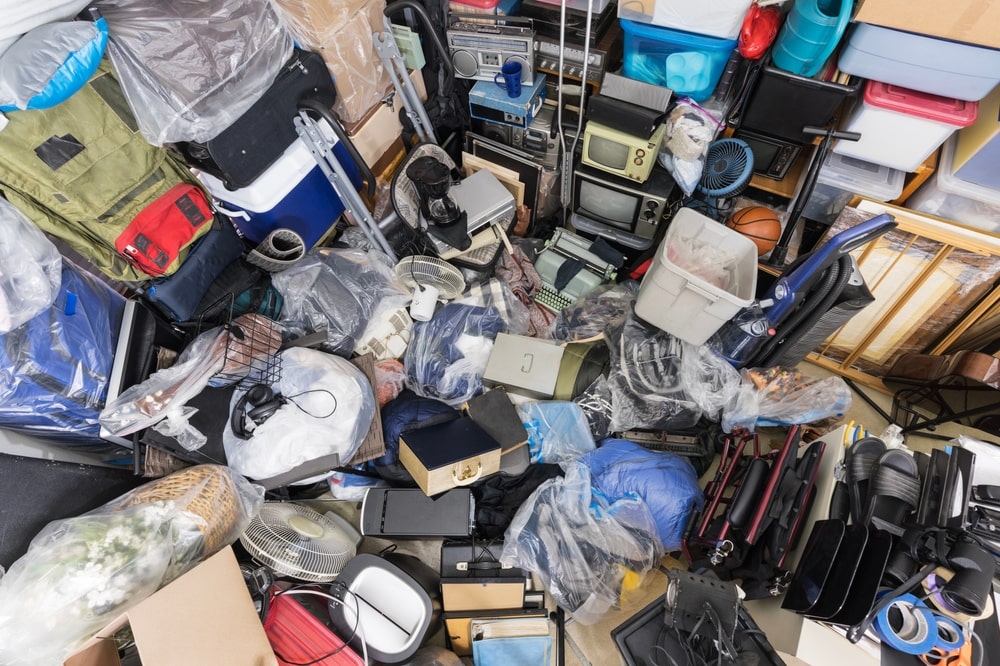
Hoarding creates genuine danger over time: blocked exits, unstable piles, concealed damage, and sanitation risks that build quietly behind accumulated belongings. Professional hoarding services do more than clear clutter. They restore safe access to rooms and exits, remove physical and health hazards, address contamination, and create a foundation the household can actually live in and maintain. The process covers clearing pathways, fall risk reduction, fire and electrical hazard removal, deep cleaning, and a return to functionality that a surface-level cleanout rarely achieves.
1. Start With a Professional Safety Assessment
Hoarding services begin with inspection rather than removal. Every affected room, entrance, exit, hallway, stairway, and utility area is assessed before belongings are touched. Assessing first means the cleanup starts with risk control rather than random removal.
What the Assessment Covers
The team identifies immediate hazards across five categories:
- Blocked exits and access routes
- Unstable stacks and compromised structural areas
- Soft or damaged flooring and exposed wiring
- Mold, moisture, or pest activity
- Waste, sharps, chemicals, or spoiled materials
When serious electrical, structural, mold, or hazardous material concerns are found, qualified specialists are brought in before ordinary cleanup continues.
2. Clear Emergency Exits and Walkways
Emergency access is the first functional priority. Opening at least one safe entrance and exit, and creating usable paths to bedrooms, bathrooms, kitchens, and essential utilities, gives the property a working safety baseline.
What Gets Cleared and Why
Items blocking stairs, windows, smoke alarms, electrical panels, and heating equipment are removed as part of this phase. Pathways wide enough for normal movement and first responder access are established. The consequence of skipping this step:
- Blocked exits delay evacuation during a fire, gas leak, or medical emergency
- Narrow pathways prevent emergency responders from reaching occupants quickly
- Hazardous areas go unnoticed by first responders who cannot safely enter
3. Remove Unstable Piles and Fall Hazards
Unstable piles are addressed using a controlled, section-by-section approach rather than pulling items from the bottom of stacks or moving large quantities quickly. This reduces the risk of collapse during the cleanup itself. Trained workers and appropriate equipment handle heavy or difficult-to-access items.
What Clearing Reveals
As items are removed, floors are inspected for damage the clutter was concealing:
- Holes, soft areas, and compromised structural zones
- Damaged carpet, loose tiles, and uneven surfaces
- Stairs and landings with hidden wear
The result is safer movement throughout the home for older adults, children, pets, and people with limited mobility.
4. Reduce Fire and Electrical Risks
Accumulated combustible materials near heaters, outlets, extension cords, or appliances increase fire risk in hoarded homes significantly. Paper, cardboard, clothing, and furniture stacked near heat sources are removed as a priority during cleanup.
Restoring Access to Critical Controls
Clearing the property also restores access to points that matter most in an emergency:
- Electrical panels, circuit breakers, and outlets
- Smoke alarms and heating systems
- Gas and water shutoffs
Exposed wiring, melted outlets, scorch marks, and overloaded power strips require a qualified electrician. Ordinary cleanup never continues around serious electrical or fire hazards without a safety plan.
5. Address Mold, Moisture, and Water Damage
Mold often develops in hoarded homes because clutter prevents leaks and damp materials from being noticed quickly. Common indicators include:
- Musty odors, stains, and peeling paint
- Damp carpet, warped flooring, and soft drywall
- Swollen cabinets and water marks on walls or ceilings
How Moisture Is Managed
Hidden areas beneath boxes, furniture, carpet, and stored clothing are checked specifically. Wet or mold-affected materials are separated safely once identified. Mold remediation or water restoration specialists are coordinated when damage is extensive, since aggressively disturbing large mold colonies can spread contamination rather than contain it.
6. Control Pests and Contamination
Signs of rodent or insect activity (nesting materials, droppings, damaged packaging, and entry points) are identified and documented before cleanup proceeds in affected areas. Spoiled food, leaking containers, contaminated paper, and nesting materials are removed with appropriate protective equipment.
Coordination and Treatment Steps
- Pest control is coordinated before or during cleanup when active infestations are present
- Affected floors, cabinets, counters, and storage areas are treated after removal
- Children, pets, and vulnerable occupants are kept away from active work zones throughout
7. Handle Biohazards Safely
Materials That Require Specialist Handling
Hoarding situations sometimes include materials that fall outside ordinary household cleanup:
- Animal or human waste and bodily fluids
- Medical sharps and decomposing materials
- Chemicals, unknown containers, and regulated waste
Safe Procedures Throughout
These materials require containment, specialist PPE, and specific disposal procedures separate from general cleaning. Sharps, waste, and contaminated materials are never placed in ordinary trash without confirming proper disposal requirements. Confirming whether the service uses trained technicians or coordinates with a qualified biohazard remediation provider establishes that this work will be handled correctly from the start.
8. Sort Belongings Without Creating More Risk
Sorting uses five agreed categories with the resident or authorized decision maker involved in every choice:
- Keep, donate, recycle, dispose, and undecided
Documents, medications, photographs, valuables, keys, and financial records are protected throughout.
Pacing the Work Responsibly
Phased cleanup is used when a full home cleanout would be physically or emotionally overwhelming. Rushing the process or discarding possessions without permission creates conflict and often results in important items being lost. A compassionate, collaborative approach restores safety while preserving dignity.
9. Deep Clean and Sanitize the Home
Once hazards are controlled and clutter is removed, surfaces throughout the home are cleaned. Floors, walls, counters, cabinets, appliances, and bathrooms are addressed using appropriate methods for each surface type.
When Specialist Methods Are Needed
Dust, allergens, pest debris, and odors accumulated over years require more than a standard wipe-down. Sanitizing focuses on areas affected by waste, spoiled food, or contamination. The following require specialist approaches rather than general-purpose products:
- Mold and sewage residue
- Heavy embedded odors
- Biohazard-affected surfaces and porous materials
10. Restore Functionality and Prevent Reaccumulation
The final phase opens the home back up. Bedrooms, bathrooms, kitchens, storage areas, and utility spaces are made usable again. Damaged floors, drywall, ceilings, cabinets, plumbing, and electrical components are repaired or flagged for qualified contractors.
Building Toward Lasting Change
Essential belongings are returned in an organized, accessible way with simple storage zones and unobstructed pathways established. Preventing conditions from returning often involves:
- Ongoing support from professional organizers or case managers
- Mental health professional involvement where appropriate
- Regular check-ins and maintenance routines
When to Seek Immediate Professional Help
Some conditions in a hoarded home call for hoarding services without delay. Others allow more time to plan, but all of the following should prompt a call to a qualified team like LifeCycle Transitions. A hoarded home requires a professional response without delay:
- A door or emergency exit is blocked
- Floors, ceilings, or stairs appear unstable
- Exposed wiring, smoke damage, or a blocked electrical panel is present
- Mold, sewage, bodily fluids, sharps, or chemical hazards are found
- Strong odors suggest decomposition, gas, sewage, or extensive moisture
- Pests or droppings are widespread
- Rooms cannot be safely entered or used
- A family cleanup attempt becomes physically or emotionally unsafe
Takeaway
Safety restoration in a hoarded home requires a structured, hazard-aware process rather than a fast cleanout. Each stage (assessment, exit clearing, hazard removal, deep cleaning, and restoration) builds on the last. The result is a home that is physically safer, more hygienic, and easier to maintain going forward.
LifeCycle Transitions works alongside families who need exactly this kind of careful, respectful approach to restoring a home. The team sorts, clears, and organizes at the pace that works for the person living there, with attention to both the physical risks and the emotional weight the process carries. Every project begins with a conversation about what matters most to the resident: what to keep, what to let go of, and what the home needs to look like when the work is done.
Get in touch with them to book your service.
Read More: How To Choose A Hoarders Cleaning Company You Can Trust