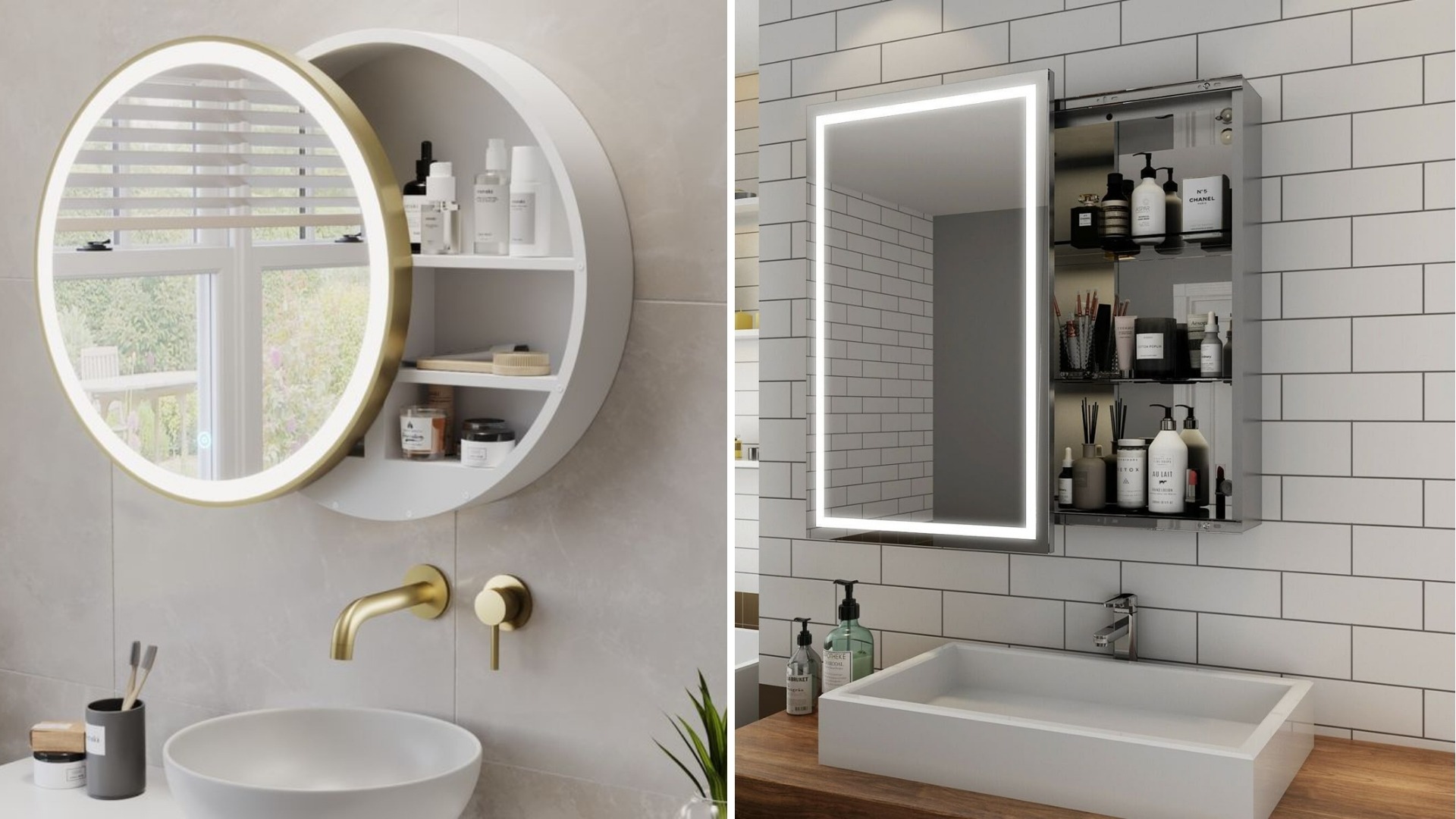
Small bathrooms do not forgive lazy planning. A bathroom mirror cabinet can solve half the storage problem in a tight American bathroom, but only when it is mounted with care, placed at the right height, and matched to the wall behind it. Too many homeowners buy a cabinet because it looks clean online, then discover the studs, outlet, faucet height, or door swing turn the project into a weekend headache. That is the part nobody wants to talk about.
A good installation starts before the drill touches drywall. You need to think like a builder for a few minutes, not like a shopper. In older homes across the USA, walls may hide off-center studs, patched plaster, old medicine cabinet openings, or wiring that was never meant to share space with a deeper cabinet. For homeowners planning smarter upgrades, helpful home improvement resources like practical renovation planning can make small-space decisions feel less random and more controlled. The goal is simple: add storage without making the bathroom feel tighter.
Plan Your Mirror Cabinet Installation Before You Touch the Wall
A clean cabinet mount begins with the boring decisions. Height, width, wall depth, sink position, lighting, outlet clearance, and daily use all matter more than the style photo on the box. The cabinet may look like a small project, but in a compact bathroom, one inch can change how the whole room works.
Measure the Sink Zone Like a Real Work Area
The sink wall is not empty space. It is a daily work zone where people brush teeth, shave, wash faces, plug in grooming tools, and reach for medicine before coffee. The cabinet should respect that traffic instead of stealing from it. Start by measuring the vanity width, faucet height, backsplash height, light fixture position, and the distance from the vanity top to the ceiling.
Most homeowners focus only on cabinet width. That mistake shows up fast. A cabinet that matches the vanity may still hit a side wall, crowd a light, or sit too low over a tall faucet. In a 24-inch powder room vanity, for example, a 20-inch wide cabinet often feels better than a full-width model because it leaves breathing room on both sides.
Height matters even more. The mirror should work for the adults who use the bathroom most, but it should not force shorter guests or kids to stare at their forehead. A common mounting range places the cabinet center around eye level, though vanity height and cabinet size can shift that. Tape the outline on the wall first. Stand there. Reach for the imagined shelves. Open the imaginary door. That little rehearsal catches problems a spec sheet never will.
Check Studs, Pipes, and Wiring Before You Commit
Walls tell the truth after you have already made holes, which is why checking first saves money. Use a stud finder, then confirm the readings with small pilot checks if the wall feels suspicious. Many homes have surprises around bathrooms because plumbing stacks, vent lines, old medicine cabinets, and electrical runs often share the same wall.
Surface-mounted cabinets need solid anchors. Recessed cabinets need a much deeper inspection because the opening may cut into studs or run into wiring. If the cabinet sits above a sink with an outlet nearby, slow down. The National Electrical Code has rules for bathroom receptacles and GFCI protection, and local code can add extra requirements. The safe move is to keep wiring work with a licensed electrician, especially when moving outlets or adding lighting.
A counterintuitive truth: the easiest-looking wall is not always the safest wall. A plain wall above a vanity can hide a plumbing vent right where the cabinet box wants to go. That is why recessed cabinets are not automatically better for small bathrooms. They save visual space, but they demand more from the wall. Surface mounting may look slightly deeper, yet it often keeps the project cleaner, safer, and cheaper.
Choose a Cabinet That Fits the Room, Not the Product Photo
The best cabinet is not the one with the most shelves. It is the one that fits the bathroom’s habits. Small-space storage works when the cabinet holds the things you reach for daily and leaves everything else somewhere better. That sounds simple until you start comparing doors, frames, depths, finishes, and shelf layouts.
Match Depth to Daily Storage Needs
Cabinet depth is where many small bathrooms go wrong. A deeper cabinet holds more, but it also projects into the room and can make the sink area feel crowded. In a narrow bathroom, that extra depth can turn face washing into a chin-bumping routine. A shallow cabinet may hold fewer items, yet it can make the whole space feel calmer.
Think about what belongs inside. Toothpaste, floss, daily skin care, deodorant, razors, contact lens supplies, and small medicine bottles fit well in a shallow layout. Tall spray bottles, bulky hair tools, and backup supplies usually belong in a vanity drawer, linen closet, or wall shelf. Trying to force every bathroom item into one mirrored box creates clutter with a door on it.
Adjustable shelves help more than extra shelves. A cabinet with three fixed shelves can waste space if your items do not match the gaps. A cabinet with two adjustable shelves can serve better because it adapts. That flexibility matters in rentals, starter homes, and family bathrooms where the storage mix changes every year.
Pick Door Swing and Finish With Real Use in Mind
Door swing sounds minor until the cabinet door hits a sconce, towel ring, shower glass, or side wall. Check whether the door opens left, right, or both ways. Some mirrored cabinets allow reversible installation, which gives you more control in tight layouts. If the toilet or shower sits close to the vanity, test the swing path with painter’s tape before mounting anything.
Finish choice also affects how the room feels. Frameless mirror cabinets look lighter in modern bathrooms, while framed styles can warm up plain builder-grade spaces. Chrome and brushed nickel often blend well with common faucet finishes in US homes. Matte black can look sharp, but it shows dust and water spots faster in busy family bathrooms.
The unexpected move is to choose a quieter cabinet than the one that grabs your attention first. Small bathrooms already have tile lines, grout, faucets, towels, switches, and light reflections competing for space. A mirror cabinet with a heavy frame or busy trim may look handsome in a listing photo, then feel loud at home. Storage should calm the room, not become another object fighting for attention.
For a fuller upgrade plan, pair this project with guides on small bathroom lighting ideas and bathroom vanity upgrades. A cabinet works harder when the light and vanity support it.
Install the Cabinet With Strength, Level Lines, and Patience
A bathroom wall cabinet must do two jobs at once. It has to look straight every day, and it has to stay secure while people pull on the door, load the shelves, and bump it during rushed mornings. That means the installation needs more than a quick level check and a few screws.
Mark the Wall With the Cabinet Fully Planned
Start by locating the centerline above the sink. Mark the vanity center, then carry that line up the wall with a level. If the sink is not centered on the vanity, choose the visual center that looks best from the doorway and works with the faucet. Older bathrooms often have small layout flaws, so trust the room as much as the tape measure.
Hold the cabinet or template against the wall and mark the top, bottom, and mounting holes. Painter’s tape helps create a clean outline without drawing all over the wall. Step back before drilling. Look from the hallway, from the toilet, and from the shower entrance if that view exists. Crooked placement becomes more obvious from angles than from straight on.
For mirror cabinet installation, a second person makes the job better. One person can hold the cabinet steady while the other marks, checks level, and confirms clearance. Working alone often leads to rushed marks because the cabinet feels heavier by the minute. That is when mistakes happen.
Fasten Into Studs or Use Anchors Rated for the Load
Stud mounting is the strongest option. If the cabinet holes line up with studs, use screws long enough to bite securely into framing after passing through drywall and the cabinet rail. Do not rely on short screws that came in a mystery hardware bag unless they match the wall type and cabinet weight.
When studs do not line up, use high-quality wall anchors rated for more than the loaded cabinet weight. Remember that the cabinet will not stay empty. Glass shelves, medicine bottles, grooming products, and repeated door movement add stress over time. Cheap plastic anchors may hold on day one and loosen by month six.
Tile walls need extra care. Use the right drill bit, keep pressure steady, and avoid cracking the glaze. Tape over the drill spot to reduce bit wandering. If the tile feels fragile or expensive, hiring a pro may cost less than repairing a cracked field tile. Bathrooms punish shortcuts because moisture, vibration, and daily use keep testing the work.
The final tightening should be firm, not aggressive. Overdriving screws can twist the cabinet frame, crack backing, or pull the unit out of level. Open and close the door several times before loading the shelves. A cabinet that shifts while empty will only behave worse when full.
Make the Cabinet Work After It Is Mounted
The installation is not finished when the cabinet hangs straight. The shelves, lighting, mirror care, and storage habits decide whether the upgrade keeps working. A small bathroom can look organized on day one and slide back into chaos within a week if the cabinet becomes a dumping spot.
Set Shelves Around Morning and Night Routines
Daily items deserve the easiest reach. Put toothbrush supplies, face wash, deodorant, and small grooming items on the shelf that lines up with your natural hand position. Store less-used items higher or lower. The goal is not to fill every inch. The goal is to stop the sink from becoming a shelf.
Use small bins only when they solve a real problem. Clear bins can help with contact lenses, hair ties, or travel-size products. Too many bins waste space and create another layer to move before you reach what you need. A mirror cabinet should speed up the morning, not turn into a tiny warehouse.
Medicine storage needs judgment. Bathrooms get humid, and some products do not belong near heat and moisture. Check labels and move sensitive items to a cooler, drier place when needed. For moisture and indoor air guidance, the EPA’s mold and moisture resources are worth reviewing, especially in bathrooms with weak fans or no window.
Control Moisture, Reflection, and Visual Clutter
Moisture is the quiet enemy. Run the exhaust fan during showers and leave it on long enough to clear humidity. Wipe mirror edges if water collects there. Over time, constant dampness can damage mirror backing, swell cabinet material, and make hinges feel rough.
Lighting can make or break the result. If the cabinet sticks out farther than the old mirror, the existing light may cast shadows differently. Side lighting usually gives better face light than a single fixture above the mirror, but many homes already have a bar light in place. Test bulbs with the new cabinet before deciding the room needs a full lighting change.
Here is the part people miss: closed storage still affects how open a bathroom feels. If the mirror is always smeared, the door is loaded with fingerprints, and the edges are crowded with hanging items, the room still reads messy. Keep the outside clean and the countertop bare enough to show the upgrade. Small spaces reward restraint.
A well-planned bathroom mirror cabinet does more than hide toothpaste. It changes the rhythm of the room. You stop hunting through drawers, stop crowding the sink, and stop accepting that a small bathroom has to feel cramped. The best projects do not shout when they are done. They simply remove a daily irritation so quietly that you forget how annoying the room used to be.
Before buying, measure the wall, study the cabinet depth, check the studs, and think through the door swing like you already live with it. That one careful hour can save patched drywall, cracked tile, and a return trip to the store. Choose the cabinet that fits your bathroom’s habits, not the one that wins the product photo contest. Then mount it with patience, load it with discipline, and let the space breathe. Start with the wall in front of you, because that is where better storage either succeeds or fails.
Frequently Asked Questions
What size bathroom mirror cabinet is best for a small vanity?
Choose a cabinet slightly narrower than the vanity so the wall does not feel crowded. For a 24-inch vanity, a cabinet around 18 to 22 inches wide often works well. Check faucet height, light position, and side clearance before buying.
Can I install a bathroom mirror cabinet without studs?
Yes, but only with wall anchors rated for the loaded cabinet weight. Stud mounting is stronger, especially for heavier models. If the cabinet is large, deep, or mounted over tile, professional installation is safer than trusting weak anchors.
Is a recessed mirror cabinet better for a small bathroom?
A recessed cabinet saves visual space, but it is not always easier. The wall must have enough depth and no pipes, vents, or wiring in the way. Surface-mounted cabinets are often simpler and safer for older homes.
How high should a bathroom mirror cabinet be above the sink?
Most cabinets work best when the mirror center sits near adult eye level. Leave enough clearance above the faucet and backsplash. Use painter’s tape to test the height before drilling, because comfort matters more than a fixed number.
What should I store inside a small bathroom mirror cabinet?
Store daily-use items such as toothpaste, floss, razors, skin care, deodorant, and small grooming supplies. Avoid bulky backups and tall bottles. The cabinet should clear the countertop, not hold every bathroom product you own.
Can a mirror cabinet be installed on bathroom tile?
Yes, but tile needs the right drill bit, steady pressure, and careful marking. Tape can help keep the bit from slipping. If the tile is expensive, brittle, or newly installed, hiring a pro can prevent costly cracks.
Do bathroom mirror cabinets need special moisture protection?
They should be made for bathroom use and paired with good ventilation. Run the exhaust fan during showers and wipe damp mirror edges when needed. Constant moisture can damage hinges, cabinet material, and mirror backing over time.
Should the mirror cabinet match the faucet finish?
Matching helps create a cleaner look, but it is not mandatory. Chrome, nickel, brass, and black finishes can mix well when the rest of the bathroom feels intentional. In small rooms, simple finishes usually age better than bold ones.