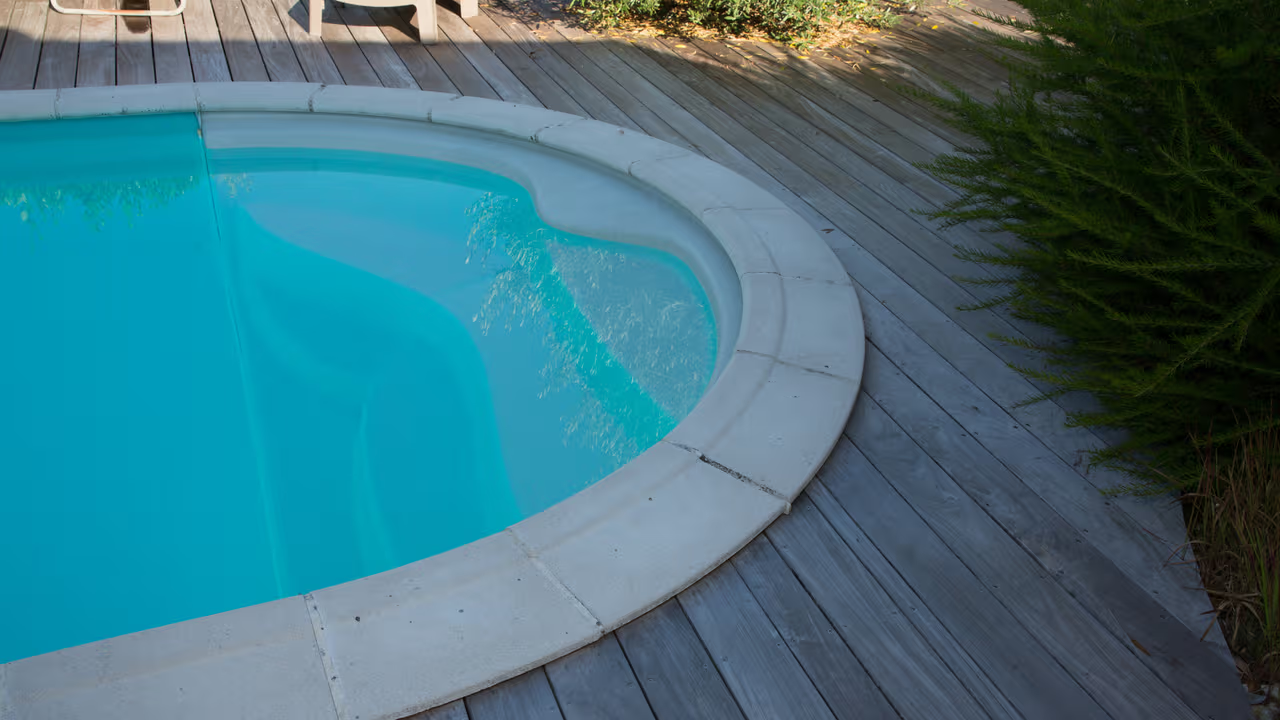
A cracked pool edge can turn a good backyard into a repair problem faster than most homeowners expect. Once water slips under loose stone, small gaps start acting like little pry bars, and pool coping repair becomes less about looks and more about protecting the shell, deck, and surrounding surface. Many American homeowners first notice the issue after winter freeze-thaw cycles, heavy summer use, or years of splash-out soaking the mortar bed. The mistake is waiting until a wobbly edge becomes a tripping hazard or a larger structural bill. A solid coping fix starts with knowing what failed: the stone, the mortar, the deck joint, drainage, or the bond beam below. For homeowners comparing upgrades, maintenance planning, or outdoor improvement ideas, resources like smart exterior renovation planning can help connect small repair choices to long-term property value. The best option is rarely the most dramatic one. Sometimes one stone needs resetting. Sometimes the whole edge is telling you the pool has been moving for years.
Pool Edge Damage Starts Before the Stone Breaks
Most coping problems do not begin with the crack you can see. They begin with pressure, water, movement, or poor installation hiding under the surface. That is why a neat bead of caulk or a quick patch often fails by the next swim season. The visible edge is only the messenger.
Why cracked pool coping often signals deeper movement
Cracked pool coping usually shows up where the pool and deck fight each other. The pool shell wants to stay firm, while the deck expands, settles, and shifts with heat, soil moisture, and age. When the expansion joint between them fails, pressure travels into the coping, and the weakest stone takes the hit.
A common example is a concrete pool in Ohio or Pennsylvania that looks fine in July but shows raised or loose coping after a hard winter. Water enters hairline gaps, freezes, expands, and breaks the mortar bond from below. The stone did not “suddenly” fail. It lost support little by little.
The counterintuitive part is that the ugliest crack is not always the worst one. A clean surface crack in one coping piece may be easier to fix than a slight lift along ten feet of pool edge. Movement matters more than appearance.
How loose coping stones create safety and water problems
Loose coping stones create a double risk because they affect both foot traffic and water control. A loose edge can rock under bare feet, catch a toe, or break when someone sits on it. Around a family pool, that is not a cosmetic issue.
Water also uses loose joints as a shortcut. Once it gets beneath the coping, it can soften mortar, rust metal components, stain tile, and reach areas that were never meant to stay wet. In warmer states like Florida, the problem may appear as hollow-sounding coping after long rainy spells instead of freeze damage.
Many homeowners try to solve that with more sealant. That can make things worse if moisture is trapped underneath. A pool edge needs a path to stay dry and stable, not a shiny bandage over a wet cavity.
Choosing Repair Methods That Match the Failure
The right fix depends on what is still strong. A coping piece with one stable crack needs a different answer than a loose row sitting on failed mortar. Good repair work starts with a simple question: is the edge damaged, detached, or being pushed out of place?
When patching makes sense for minor surface cracks
Small cracks can be patched when the coping is stable, level, and bonded well to the base. This works best on concrete coping, poured coping, or stone with shallow surface damage. The repair should stop water entry and reduce further chipping, but it should not pretend to rebuild strength that is already gone.
For example, a homeowner in Arizona may see fine cracks on poured concrete coping because of heat and age. If the coping does not move, a masonry repair compound, careful cleaning, and a breathable sealer may be enough. The fix is modest, but it respects the real condition.
This is where pool edge repair gets practical. A small patch can buy years when the base is firm, but it becomes wasted money when the coping sounds hollow. Tap testing, joint checking, and looking for uneven height tell you more than the crack itself.
When resetting is better than covering the damage
Resetting works when the coping piece is intact enough to keep but no longer bonded. The stone is removed, the old mortar is cleaned out, the base is checked, and the piece is set back with fresh material. Done well, it can make an older pool look cared for without replacing everything.
A classic case is a row of loose coping stones near a ladder or entry step. That area gets heavy foot traffic, repeated water exposure, and more twisting pressure than quiet corners. Resetting those stones can solve the problem if the base remains sound.
The surprise is that resetting often looks more invasive than patching but may be the cleaner repair. Covering a loose stone keeps the failure hidden. Removing it lets the contractor see whether the base is dry, cracked, muddy, or still solid enough to trust.
Pool Coping Repair Costs Depend on Access, Materials, and Timing
Cost is not only about how many feet need work. It also depends on the coping material, how easy it is to match, whether the pool tile is affected, and how long the damage has been active. Early repairs feel annoying. Late repairs feel expensive.
Why material choice changes the repair path
Natural stone, brick, precast concrete, poured concrete, and pavers all behave differently. Travertine may chip or loosen at joints. Brick can shift or spall. Poured concrete can crack in longer sections. Precast pieces can separate from the mortar bed but still be reused if they are not broken.
In Texas, a homeowner with flagstone coping may face flaking and loose layers from salt exposure, sun, and poor sealing. The repair may require replacing select stones with a denser match rather than patching the same weak material again. Matching the color may take longer than the actual install.
Pool coping replacement becomes the better choice when the existing material keeps failing in several spots. Replacing one bad piece makes sense. Replacing one bad piece every three months is the pool asking for a bigger decision.
How timing affects labor and hidden damage
Repair timing changes everything because water keeps working while you wait. A loose stone in May may be a simple reset. The same stone after a full swim season of splash-out and rain may come with loose tile, soft mortar, and a widened joint.
Contractors also get busier during spring and early summer. Waiting until pool season can mean longer scheduling gaps and higher pressure to accept a quick fix. Fall can be a smart time for many U.S. regions because the pool sees less use and repairs have time to cure before heavy traffic returns.
The overlooked factor is access. Coping near raised walls, built-in spas, tight landscaping, or outdoor kitchens may cost more because crews need more time to protect finishes. The stone might be cheap. Getting to it without damaging nearby work is what raises the bill.
Preventing New Cracks After the Repair
A repair is only successful if the edge stays stable after the crew leaves. That means drainage, joints, sealing, and deck movement deserve as much attention as the coping itself. The pool edge lives in a rough place: sun, water, chemicals, feet, furniture, and soil pressure all meet there.
Why expansion joints protect the coping edge
The expansion joint between the pool coping and the deck is one of the most ignored parts of the whole pool area. When it dries out, cracks, sinks, or fills with dirt, the deck can press against the coping. That pressure has to go somewhere.
A good flexible joint helps absorb movement before it reaches the pool edge. In places like Missouri, New Jersey, or Colorado, where temperature swings can be sharp, that joint is not optional maintenance. It is a pressure release system.
Many homeowners think hard material is always stronger. Around a pool edge, flexibility often saves the stone. A rigid patch in the wrong joint can transfer stress instead of relieving it, which is why neat-looking repairs sometimes fail first.
How sealing and drainage extend pool coping replacement life
Sealing helps, but only when the surface is clean, dry, and compatible with the coping material. A sealer cannot fix a loose base, and it should not trap moisture under stone. Used correctly, it slows absorption, staining, and surface wear.
Drainage matters even more. Downspouts, deck slope, planter beds, and irrigation heads should not send water toward the pool edge. A sprinkler hitting the same coping line every morning can do more damage than a dozen pool parties.
Pool coping replacement lasts longer when the surrounding area supports it. That may mean adjusting deck drains, trimming wet landscaping, or redoing a failed joint before new stone goes down. The edge is part of a system, not a decoration sitting by itself.
Conclusion
A strong pool edge is not built by hiding cracks. It is built by reading what the cracks are trying to tell you and choosing a repair that fits the actual failure. That may mean patching a stable surface crack, resetting a loose stone, improving the expansion joint, or replacing a tired coping line before it damages the pool tile and deck. Pool coping repair is worth taking seriously because it protects safety, appearance, and the hidden structure beneath every step around the water. The smartest homeowners do not wait for the edge to crumble before acting. They check movement, listen for hollow spots, watch drainage patterns, and fix the cause while the repair is still manageable. Before your next swim season starts, walk the pool edge slowly and mark every crack, wobble, gap, and raised corner. Then get the right fix planned before water turns a small warning into a costly rebuild.
Frequently Asked Questions
What is the best way to fix cracked pool coping?
The best fix depends on whether the coping is stable. Small surface cracks can often be patched and sealed, while loose or hollow pieces should be removed and reset. If several areas are failing, replacement may be smarter than repeating small repairs.
How do I know if loose coping stones need replacement?
Loose stones may not need replacement if they are still intact and the base is sound. They can often be reset with fresh mortar. Replacement makes more sense when the stone is broken, badly worn, mismatched, or part of a larger failing edge.
Can cracked pool coping cause pool leaks?
Cracked coping does not always cause a pool leak, but it can let water reach areas behind tile, under mortar, or near the bond beam. That trapped water may lead to tile damage, staining, loose stones, and structural wear if ignored.
How much does pool edge repair usually cost?
Cost depends on material, damage, access, and local labor rates. A small reset or patch may be modest, while full coping replacement costs more because it involves removal, surface prep, material matching, setting, joints, and cleanup.
Should I repair pool coping before resurfacing the deck?
Coping should usually be evaluated before deck resurfacing begins. A new deck finish can be damaged if coping repairs happen afterward. Fixing loose edges, failed joints, and drainage issues first helps the finished deck last longer.
Why does pool coping keep coming loose?
Repeated loosening usually points to water intrusion, failed mortar, deck pressure, poor expansion joints, soil movement, or weak installation. Reattaching the same stone without fixing the cause often leads to another failure within a season or two.
Is sealant enough for cracked pool coping?
Sealant can help protect small, stable cracks from water entry, but it is not enough for moving, hollow, or loose coping. Sealing over unstable material may trap moisture and hide damage until the repair becomes more expensive.
When should pool coping be fully replaced?
Full replacement makes sense when many pieces are loose, the material is crumbling, the edge is uneven, or repairs no longer hold. It is also worth considering during major pool updates when new coping can improve safety, drainage, and appearance together.