

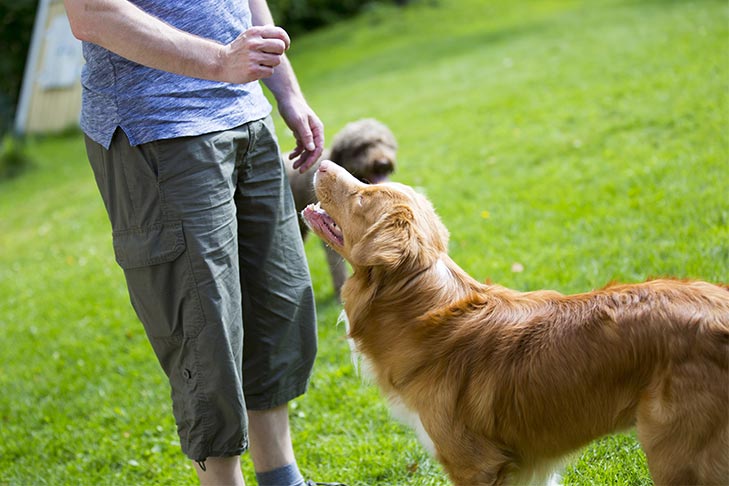
Anxious dog training is not about forcing a fearful dog to face everything that makes them uncomfortable. It is about understanding why anxiety occurs, recognizing early warning signs, and teaching dogs safe ways to respond when situations feel overwhelming.
Whether a dog struggles with separation, unfamiliar people, loud noises, other animals, or new environments, consistent training can help owners manage triggers more effectively. The right approach combines patience, clear communication, positive reinforcement, and carefully planned exposure. With guidance from Rob’s Dog Training, owners can develop practical strategies that support calmer, more confident behavior in everyday situations.
Understanding Why Dogs Become Anxious
Dog anxiety can develop for many reasons. Some dogs may have had limited socialization during puppyhood, while others may react after experiencing frightening events. Genetics, changes in routine, illness, aging, and environmental stress can also influence a dog’s emotional responses.
Anxiety may appear differently from one dog to another. A dog might hide behind furniture when visitors arrive, pace around the house during storms, bark at unfamiliar people, or become distressed when left alone.
Common signs of anxiety include:
- Excessive barking or whining
- Pacing, trembling, or restlessness
- Hiding or attempting to escape
- Excessive licking or panting
- Destructive behavior when alone
- Avoidance of people, animals, or places
- Difficulty settling in unfamiliar environments
Recognizing these behaviors as possible signs of stress rather than simple disobedience is an important first step. When owners understand the emotional state behind a behavior, they can choose training strategies that address the underlying problem.
How Anxious Dog Training Builds Confidence
Effective anxious dog training gives dogs opportunities to experience manageable challenges without becoming overwhelmed. The goal is not to eliminate every trigger from a dog’s environment. Instead, training helps dogs learn more appropriate responses when those triggers appear.
A useful starting point is identifying the distance or intensity at which a dog can still think, listen, and accept rewards. This is sometimes called the dog’s threshold.
For example, a dog that becomes nervous around other dogs may be unable to focus when another dog is only a few feet away. At a greater distance, however, the dog may remain calm enough to respond to a familiar cue.
Training can begin at that manageable distance. Over time, owners can gradually work closer while rewarding calm behavior.
Avoid Flooding an Anxious Dog
One common mistake is exposing a nervous dog to an intense trigger for too long in an attempt to make the dog “get used to it.” This can increase fear instead of resolving it.
If a dog is already barking, lunging, trembling, hiding, or attempting to escape, the situation may be too difficult for effective learning. Giving the dog more space and reducing the intensity of the trigger can make training more productive.
Progress should be measured by the dog’s ability to remain comfortable and responsive, not by how quickly the owner can introduce a difficult situation.
Use Positive Reinforcement Consistently
Positive reinforcement is an important component of behavior training because it gives dogs a clear reason to repeat desirable responses.
When a dog notices a trigger and remains calm, the owner can provide a reward. The reward might be a favorite treat, praise, a toy, or another experience the dog values.
Over repeated sessions, the dog can begin to associate previously stressful situations with positive outcomes.
Owners can reinforce behaviors such as:
- Looking at the handler instead of fixating on a trigger
- Moving away calmly when asked
- Settling on a mat or designated area
- Responding to a familiar cue
- Remaining relaxed around manageable distractions
Timing matters. A reward should be delivered close to the desired behavior so the dog can make the connection between the action and its consequence.
Teach Skills Before Anxiety Peaks
An anxious dog may struggle to follow commands when already overwhelmed. This is why foundational obedience should be practiced in calm environments before introducing significant distractions.
Useful skills include:
- Name recognition
- Hand targeting
- Sit and stay
- Loose-leash walking
- Recall
- Place or mat training
- Leave it
- Relaxation cues
These behaviors give owners practical tools to redirect attention and create predictable routines.
For example, teaching a dog to settle on a mat at home can later support calmer behavior when visitors arrive. Similarly, practicing attention cues in a quiet yard can prepare the dog for more challenging walks.
Training should progress gradually from easy environments to more distracting ones.
Create a Predictable Routine
Dogs often cope better when their daily environment is consistent. Feeding times, walks, rest periods, play, and training sessions do not need to happen at exactly the same minute every day, but a predictable general structure can help reduce uncertainty.
Mental stimulation also matters. Puzzle toys, scent games, food-based enrichment, and short training sessions can provide appropriate outlets for energy while encouraging dogs to use their brains.
However, enrichment should match the individual dog. An activity that excites one dog may overstimulate another. Owners should watch body language and adjust activities accordingly.
Read Canine Body Language
Understanding body language is one of the most useful skills an owner can develop when working with an anxious dog.
A dog may communicate discomfort before displaying obvious barking or lunging. Early signals can include turning the head away, lip licking, yawning, lowered posture, pinned-back ears, avoiding eye contact, or attempting to increase distance.
These signals provide valuable information.
When owners respond early by creating space or reducing pressure, they may prevent anxiety from escalating into a more intense reaction. This makes body-language awareness an essential part of responsible dog behavior training.
Address Separation Anxiety Carefully
Separation anxiety requires particular attention because the trigger may be the owner’s absence rather than something physically present in the environment.
A dog with separation-related distress may bark continuously, pace, damage doors or furniture, eliminate indoors, or attempt to escape shortly after being left alone.
Training should focus on gradually building comfort with separation rather than suddenly expecting a distressed dog to remain alone for long periods.
Owners can begin with very short absences that the dog can tolerate and gradually increase duration when the dog remains comfortable. Predictable departures, appropriate enrichment, and calm routines may also help.
Severe cases may require assistance from a qualified veterinary or behavior professional, particularly when a dog risks injury during escape attempts or experiences intense distress.
Know When Professional Help Is Appropriate
Not every anxiety problem should be handled without professional guidance. If a dog’s behavior is severe, worsening, unpredictable, or associated with aggression, professional assessment can provide a safer path forward.
A veterinarian can also help rule out medical factors that may contribute to changes in behavior. Pain, illness, sensory decline, and age-related changes can sometimes influence how a dog responds to its surroundings.
Professional dog training can then complement veterinary care by providing structured behavior work and helping owners implement appropriate strategies at home.
The goal is not simply to suppress visible symptoms. Good behavior support considers the dog’s emotional state, environment, learning history, and individual needs.
Make Progress Through Small Wins
Anxious dog training rarely follows a perfectly straight line. A dog may respond calmly during one session and struggle during another because of fatigue, unfamiliar surroundings, increased distractions, or a particularly difficult trigger.
Owners should focus on patterns rather than expecting perfection.
A practical training plan might involve:
Step 1: Identify triggers.
Record what situations cause stress and how the dog responds.
Step 2: Find a manageable starting point.
Begin where the dog can still remain calm and responsive.
Step 3: Reward desirable behavior.
Reinforce calm observation, attention, and appropriate responses.
Step 4: Increase difficulty gradually.
Change only one variable at a time, such as distance, duration, or distraction level.
Step 5: Review progress.
If the dog repeatedly struggles, make the exercise easier rather than pushing forward.
This approach creates opportunities for successful learning while reducing unnecessary pressure.
Building a Calmer Future Through Training
Anxiety does not make a dog difficult or hopeless. It is a behavioral challenge that requires understanding, consistency, and an individualized plan.
Anxious dog training works best when owners focus on communication rather than confrontation. By identifying triggers, recognizing body language, rewarding calm responses, teaching useful skills, and progressing at a manageable pace, owners can help dogs navigate challenging situations with greater confidence.
For owners who need structured guidance with anxiety, obedience, or behavior concerns, Rob’s Dog Training provides professional dog training support designed to help owners and dogs work toward better everyday communication.
A calmer dog does not necessarily mean a dog that never feels nervous. More realistically, success means helping a dog develop reliable skills, recover from stressful moments, and feel safer navigating the world around them.